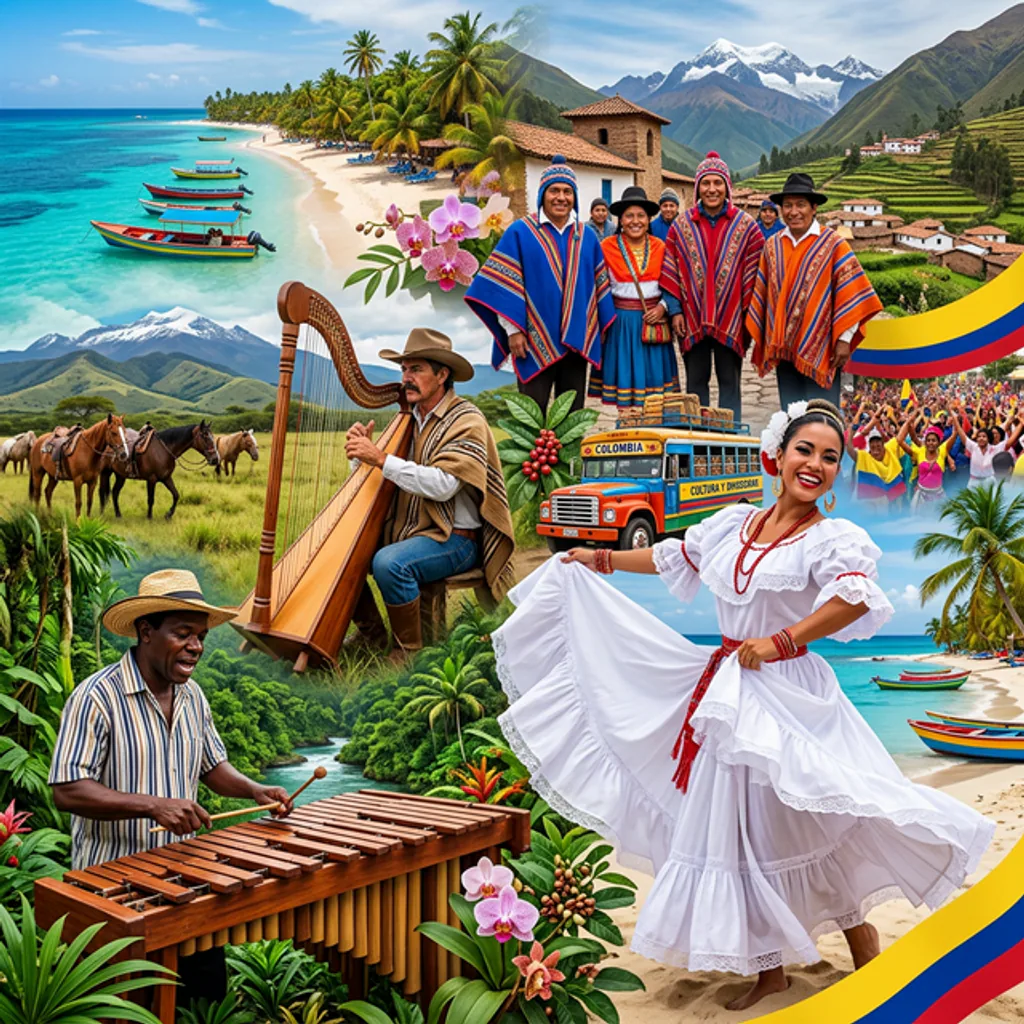
Colombia's cultural diversity is best experienced as a route through living communities, music, food, festivals, and craft traditions, not as a checklist of staged attractions. For a first cultural trip, choose two or three connected regions: the Caribbean for Palenque and carnival traditions, the Pacific for Afro-Colombian music and river life, Cauca or La Guajira for community-led Indigenous experiences, or artisan towns for workshops and direct purchases.
This national guide helps you decide which cultural route fits your time and how to visit respectfully. It complements the detailed destination guides linked below rather than replacing local advice, current event calendars, or permission from the communities that receive visitors.
Choose a Cultural Route, Not a Checklist
- Caribbean memory and rhythm: Connect Cartagena with the San Basilio de Palenque cultural guide, then add Barranquilla or the river heritage of Mompox. Three or four nights give this route more depth than a rushed day of unrelated stops.
- Pacific music and community: Use Cali as a gateway for music and food, or plan Chocó independently through the Quibdó and San Pacho guide. The Pacific Coast overview explains why transport and weather require margin.
- Indigenous-led context: Compare the market and community initiatives in Silvia with the very different desert setting of the Wayuu guide or the river journey in the Colombian Amazon itinerary. Treat access to community territory as arranged, not automatic.
- Artisan knowledge: Build a route around Tuchín's caña flecha weaving, Ráquira ceramics, or El Carmen de Viboral. One well-explained workshop is more useful than a string of souvenir shops.
Indigenous Cultures: Begin With Permission
Colombia's 2018 census recorded population identifying as Indigenous across 115 native peoples, so no single village or tour can stand in for Indigenous Colombia. Misak, Wayuu, Zenú, and Amazonian communities have distinct territories, languages, authorities, and visitor rules. Choose experiences organized or approved locally, ask before entering private or ceremonial spaces, and never assume that paying a guide grants permission to photograph everyone you meet.
In Silvia, the public market can be a respectful starting point, while rural visits need local coordination. In La Guajira and the Amazon, transport, water, safety, and community agreements shape the experience as much as scenery. Read the Amazon Indigenous knowledge guide for context, but confirm the operator, hosts, itinerary, and community benefit before booking.
Afro-Colombian Heritage Is Living History
On the Caribbean coast, UNESCO's Palenque profile connects San Basilio's cultural space with language, oral traditions, music, social practices, and community memory. Visit with a resident guide and enough time to listen; the village is not a performance set or a quick photograph between Cartagena activities.
On the Pacific coast, music belongs to family, ritual, territory, and daily life. UNESCO describes marimba music, traditional chants, and dances as community expressions rooted in the Colombian South Pacific. The Colombian music guide can orient you, while local musicians and cultural hosts provide the meaning that a playlist cannot.
Plan Festivals Around Their Communities
Festivals are excellent route anchors, but they are not interchangeable parties. UNESCO describes the Carnival of Barranquilla as a convergence of traditions expressed through dance, music, costumes, theatre, and satire. The Barranquilla Carnival guide helps with trip shape; use the official organizer's current calendar before buying transport or accommodation.
In Pasto, the Carnaval de Negros y Blancos grows from Andean and Hispanic traditions and turns homes into workshops for carnival arts. In Quibdó, San Pacho expresses Afro-descendant Chocó identity through neighborhood, religious, and musical life. Read the Pasto festival guide, then verify current dates, road conditions, tickets, and local safety advice.
Buy Craft, Food, and Music With Context
A good cultural purchase begins with questions: who made it, which materials and techniques were used, how long it took, and how it should be cared for. Buy directly from makers, workshops, cooperatives, or clearly identified local sellers when possible. A logo or shop label alone does not prove fair payment, so conversation and traceability matter more than a vague authenticity promise.
Apply the same curiosity to meals and music. Colombia's regional cultures become clearer through coconut rice and Palenque sweets, Pacific seafood and viche traditions, Andean soups, Caribbean drums, marimba, vallenato, and many other local forms. Use the Colombian gastronomy guide to connect dishes with place instead of treating one menu as nationally representative.
Practical Tips
- Verify the host: Ask who leads the experience, which community or workshop receives the visit, and what your payment includes.
- Ask before recording: Get permission for portraits, children, ceremonies, songs, workshops, private homes, and conversations.
- Leave schedule margin: Weather, road conditions, river transport, festival controls, and community availability can change a cultural day.
- Carry useful cash: Small notes help with local guides, food, workshops, crafts, and transport where cards are not practical.
- Learn precise names: Use the community, language, festival, and craft names people use for themselves rather than broad labels.
- Check current advice: Review official travel guidance and local conditions before remote trips, especially in border, Pacific, and rural regions.
🕵️ Insider Secrets
- Let one theme lead: A music, food, craft, or memory route creates better conversations than collecting famous places.
- Stay after the day trip: An overnight in Silvia, Mompox, Pasto, or Quibdó reveals daily rhythms that excursion schedules miss.
- Choose explanation over spectacle: A smaller workshop or neighborhood guide can offer more context than a polished group stop.
- Keep the camera down first: Listening before photographing changes both the interaction and the images you eventually make.
Colombia does not have one cultural experience to complete. Choose a coherent route, use the detailed guides to prepare, and let local people define how their living heritage is shared.
eSIM for Colombia
Avoid high roaming fees. Get instant 4G/LTE data with Airalo as soon as you land in Bogotá or Medellín.
- Instant Activation
- No Physical SIM Card
- Local & Regional Plans