Colombia is a country that can be understood through its palate. From the high-altitude mists of the Andes to the humid rainforests of the Amazon and the sun-drenched shores of the Caribbean, every landscape has a corresponding flavor profile. In 2026, Colombian gastronomy has achieved global recognition, moving beyond street-food staples to high-end culinary innovation that respects ancestral roots. To eat in Colombia is to take a journey through the country’s history, geography, and soul.
This guide is your roadmap to the most iconic dishes and the emerging culinary scenes that make Colombia one of the world's most exciting food destinations in 2026.
The Andean Heart: Soul Food of the Mountains
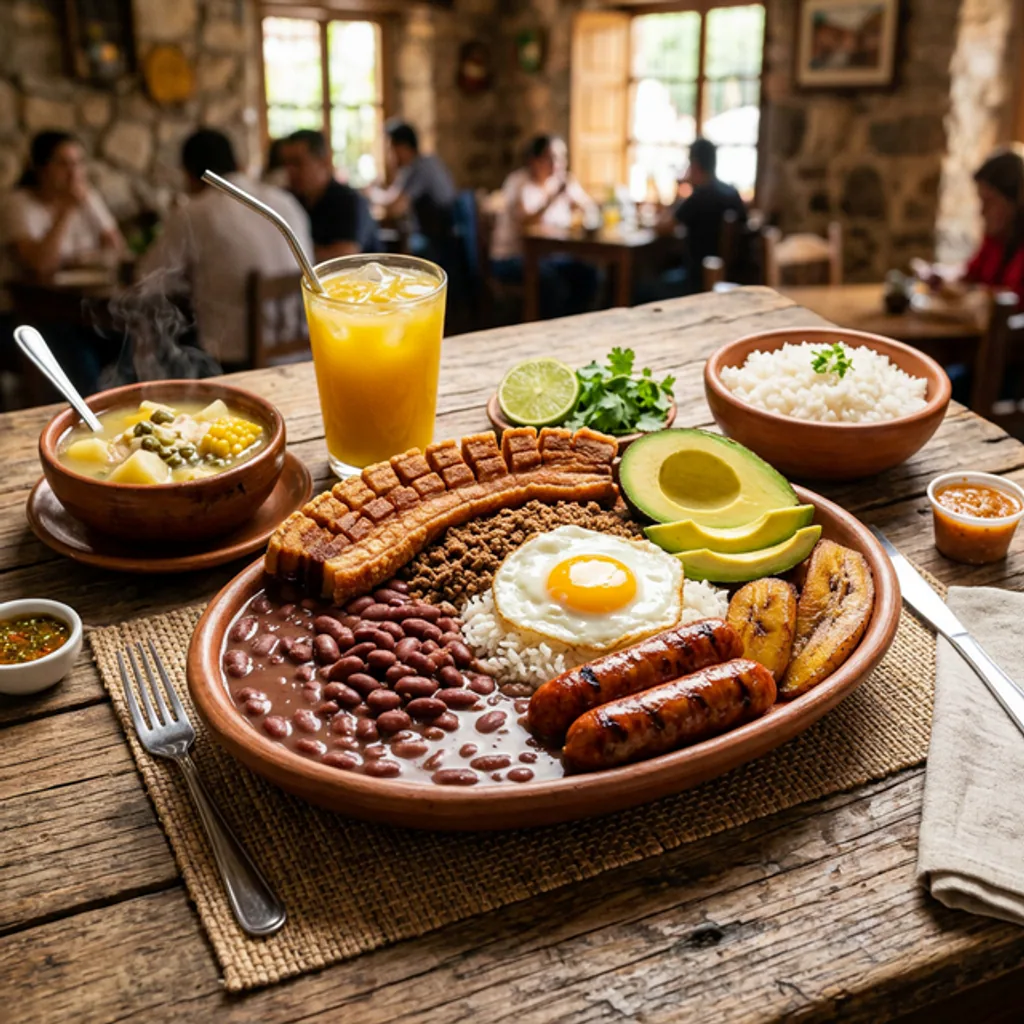
In the central regions of Colombia, the food is built for comfort and energy. The most famous of all is the Bandeja Paisa, originating from the coffee-growing region of Antioquia. In 2026, you can find traditional versions that are a literal mountain of food: red beans, rice, ground beef, crispy chicharrón (pork belly), chorizo, a fried egg, sweet plantain, avocado, and an arepa. It is the ultimate testament to the "Paisa" spirit of abundance.
In the capital, Bogotá, the star is Ajiaco Santafereño. This thick, hearty soup is made with three varieties of potatoes, chicken, and a local herb called guasca that gives it a distinct, earthy flavor. Served with heavy cream and capers, it is the perfect remedy for the chilly Andean evenings. Don't miss a Tamal for breakfast—corn dough filled with meat and vegetables, wrapped in a banana leaf and steamed to perfection.
The Caribbean Coast: A Tropical Explosion
On the northern coast, the flavors are bright, fresh, and deeply influenced by African and Indigenous traditions. The quintessential Caribbean lunch is Pescado Frito con Arroz de Coco—a whole fried snapper or mojarra served with sweet, coconut-infused rice and double-fried green plantains (patacones). In 2026, coastal cities like Cartagena have become hubs for modern Caribbean fusion, where traditional ceviches are reimagined with exotic fruits like lulo and maracuyá.
For street food lovers, the Arepa de Huevo is a mandatory experience. This deep-fried corn cake is stuffed with a whole egg (and sometimes ground meat) and fried a second time until crispy. It is the gold standard of Colombian "fritanga."
The Pacific Coast: Ancestral Secrets
Pacific cuisine is perhaps the most exotic and culturally rich in Colombia. Deeply rooted in Afro-Colombian heritage, it relies on "viches" (herbal distillations), coconut milk, and the unique herbs of the rainforest. In 2026, dishes like Encocado de Pescado (fish in a rich coconut and herb sauce) and Arroz de Piangua (rice with a black mangrove mollusk) have moved from hidden coastal villages to the menus of the world's best restaurants.
The flavor profile of the Pacific is smoky, herbal, and intensely savory. It is a cuisine that tells a story of resistance, tradition, and a deep connection to both the sea and the jungle.
Liquid Gold and Tropical Sweets
No culinary journey is complete without exploring Colombia’s drinks and desserts. Of course, Colombian Coffee is the protagonist. In 2026, the focus is on "specialty coffee," where you can visit boutique cafes to learn about the specific altitudes and volcanic soils that produce different flavor notes. For a truly local experience, try a Tinto campesino—coffee brewed with panela (unrefined cane sugar) and cinnamon.
For something refreshing, Colombia’s vast array of exotic fruits provides endless juice possibilities: Lulo, Guanábana (soursop), and Zapote are must-tries. And to finish, indulge in Arequipe (Colombia’s version of dulce de leche), Bocadillo Veleño (guava paste), or the sticky, sweet Cocadas found in every coastal town.
Practical Tips for the 2026 Foodie
- Follow the Crowd: The best empanadas and arepas are often found at the street stalls with the longest lines of locals.
- Market Magic: Visit the local "Plazas de Mercado" (like Paloquemao in Bogotá or Bazurto in Cartagena). They are the heart of the food system and offer the freshest fruits and authentic local meals at incredible prices.
- Water Safety: While tap water is generally safe in major cities like Bogotá and Medellín, stick to bottled or filtered water in coastal and rural areas.
- Tipping: In restaurants, a 10% service charge (servicio) is often included. It’s customary to say "yes" when asked if you want to include it.
Colombian gastronomy is a celebration of life and diversity. In 2026, every bite is an invitation to stay a little longer and discover a little more. Come hungry, and leave with a heart as full as your plate.
🕵️ Insider Secrets
- The Secret Herb: Ask for Guiso or Hogao. It’s the base of almost every Colombian dish—a savory sauté of tomatoes and green onions that is the secret soul of the country's cooking.
- Chocolate with Cheese: It sounds strange, but dipping a slice of salty campesino cheese into a cup of hot chocolate is a beloved Colombian tradition. Try it on a rainy afternoon in the Andes!
- The Fruit You Didn't Know You Loved: Try a Granadilla. You crack the hard orange shell and eat the sweet, gelatinous seeds inside. It’s known as the "child’s fruit" because it's so easy to eat and incredibly delicious.
eSIM for Colombia
Avoid high roaming fees. Get instant 4G/LTE data with Airalo as soon as you land in Bogotá or Medellín.
- Instant Activation
- No Physical SIM Card
- Local & Regional Plans