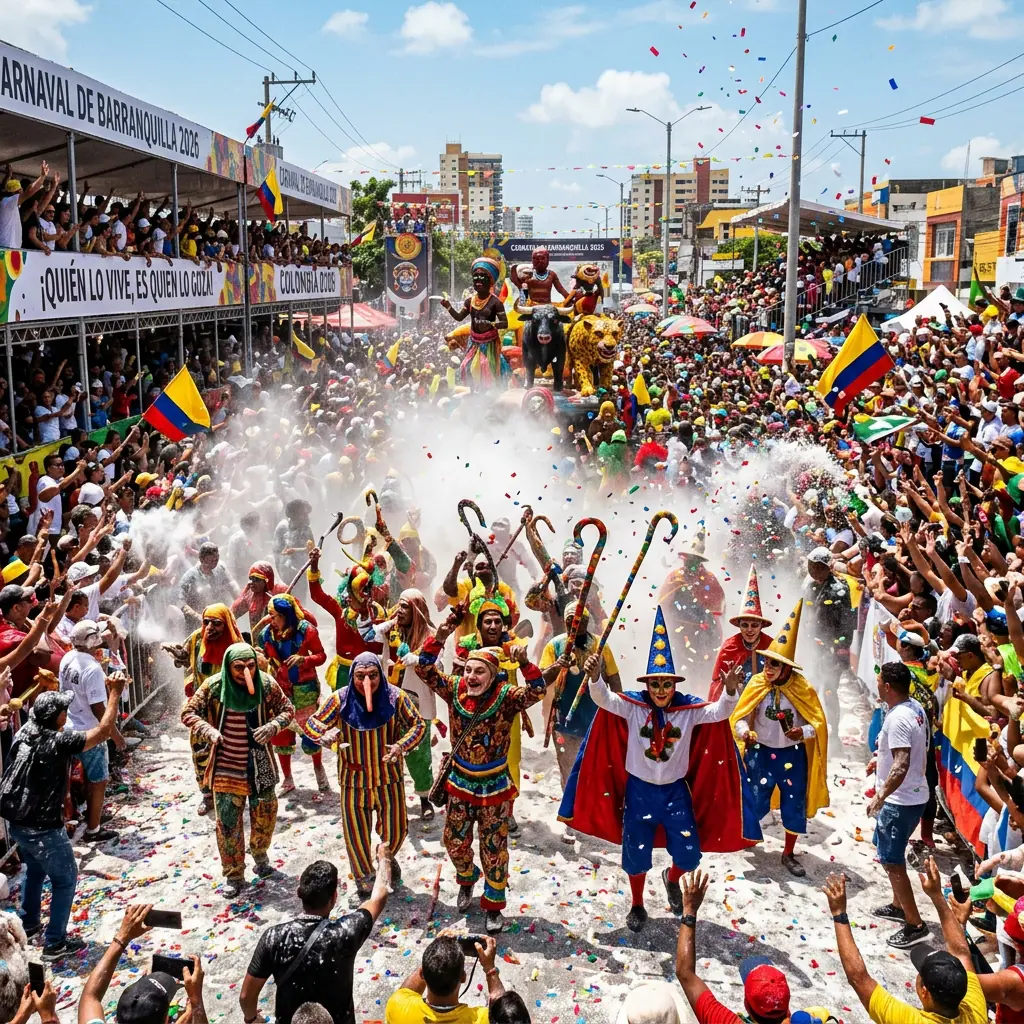
The Unforgettable Burst of Color: Preparing for El Carnaval de Barranquilla
There are festivals, and then there is El Carnaval de Barranquilla. To say that the Carnaval is merely a party is to drastically underestimate the sheer cultural weight, emotional intensity, and vibrant historical tapestry woven into every single street corner, costume, and rhythm. It is not just a celebration; it is the collective, unrestrained outpouring of the soul of the Caribbean Colombian people.
Nestled on the banks of the Magdalena River, the city of Barranquilla transforms during the weeks leading up to the main festivities. It erupts in a riot of color, sound, and joyful chaos. From the moment the fanfare begins to blare, you realize you are not just observing a festival; you are being pulled, physically and emotionally, into the pulse of Colombia itself. If your idea of travel involves sensory overload in the most magical way, then look no further. This guide is your deep dive into understanding, experiencing, and celebrating the heart and soul of this monumental event.
The Carnival is recognized by UNESCO as an Intangible Cultural Heritage of Humanity. This designation speaks volumes: it means the celebration is a living, breathing testament to the syncretism of cultures—Indigenous, African, and European—all mingling together under the tropical Colombian sun. It is a time when social boundaries soften, traditions flourish, and the spirit of the alegría (joy) is palpable in the humid air.
A History Woven in Rhythm: Understanding the Roots of the Carnaval
To appreciate the madness, one must first understand the depth of the roots. While modern Carnivals draw heavily from global influences, the traditions of Barranquilla are deeply tied to the colonial history, the indigenous resilience, and the powerhouse influence of African cultural practices.
The early festivities were often religious processions, following Catholic traditions. However, over centuries, the local population layered their own unique, joyous expressions upon these structures. The Carnival became a crucial period of catharsis—a time when the rigid social rules of the colonial era could be momentarily tossed aside. It allowed for an exuberant freedom, a celebratory rebellion encapsulated in music, dance, and satire.
This mix of reverence, satire, and sheer, unadulterated joy is what makes the Carnaval so uniquely powerful. It honors the past while fiercely celebrating the present. The music—a dynamic mix of Cumbia, Mapalé, and salsa rhythms—is not merely background noise; it is the historical narrative set to a relentless, joyful beat. It speaks of transatlantic journeys, of survival, and of the enduring power of community.
The Three Pillars of Tradition: Mas, Comparsa, and Música
When experiencing the Carnaval, pay attention to these three fundamental elements; they are the building blocks of the experience:
- La Comparsa: These are the highly stylized groups of dancers. They represent the most visual and breathtaking element. The costumes are elaborate, often mimicking historical or mythical figures, utilizing brilliant textiles and feather arrangements. The energy of a Comparsa marching is mesmerizing, a perfect blend of theatrical performance and disciplined choreography.
- El Rey Momo (The King of Carnival): This figure is the symbolic ruler of the celebrations. He is the embodiment of the temporary suspension of earthly rules, allowing for a period of pure, anarchic revelry. His presence legitimizes the joyful chaos that follows.
- Los Gaiteros: This musical group, featuring the distinct and rhythmic gaita (or flute), is a foundational element of the coastal soundscape. Their call-and-response patterns dictate the pace and mood, acting as both the soundtrack and the historical chroniclers of the festivities.
Traveling Tip: Don’t just watch the groups pass. Take a moment to observe the craftsmanship of the costumes and the precision of the formations. The dedication required to prepare a full comparsa is immense, representing hundreds of hours of collective artistic effort.
Navigating the Streets: A Guide to the Experience
The Carnaval is not one single event; it is a sequence of escalating energy built around key traditional parades and daily community festivities. Understanding the rhythm helps you maximize your time and stamina.
The Official Parade Routes
While spontaneous parties occur everywhere, the main official routes are where the grand spectacle unfolds. The parades are meticulously organized, featuring float displays, marching bands, and the colorful comparsas.
What to Expect During a Parade:
- Immense Density: Prepare for crowds. The streets are alive, exhilarating, and absolutely overwhelming in the best possible way.
- The Soundtrack: The rhythm is inescapable. Whether through speakers or live bands, the drums and brass instruments are constantly calling out the beat.
- Sensory Overload: Be ready for the mix of tropical heat, sweet food aromas, vibrant paint, and thousands of conversations spanning multiple languages.
Practical Tips for the 2026 Carnival
- Footwear: Wear extremely comfortable, closed-toe shoes. You will walk miles in 2026's expanded parade routes.
- Attire: Dress in layers, but plan for heat. Loose, breathable fabrics are ideal. Don't forget your 'sombrero vueltiao'.
- Hydration: Carry water at all times and drink consistently, even if you do not feel thirsty. The 2026 Caribbean sun is unforgiving.
- Embrace the Spirit: The best advice is simply to leave your reservations at home. Get lost, laugh loudly, and let the energy carry you.
Beyond the Parade: The Heart of the Community
The magic of the Carnaval often happens outside the official viewing stands. These are the verbenas—the genuine, spontaneous celebrations:
- Street Gatherings: Watch local groups practicing their dances in the plazas.
- Costume Culture: Observe the local people utilizing the costumes not just for show, but as part of a family or community identity.
- The Food Experience: Indulge in local specialties like fritos (a type of fried pastry) and fresh coconut water.
Cultural Deep Dive: The importance of costume in the Carnaval cannot be overstated. They are not mere outfits; they are narrative devices. Each piece of fabric, every mask, and every accessory tells a story about the social roles, the history, or the myths being celebrated. For a true understanding, approach the costumes with an anthropological curiosity. Ask guides, vendors, and locals what the costume represents.
The Importance of Respecting Tradition and Culture
As a visitor, understanding the cultural nuances is paramount. Remember that while the Carnaval is a massive tourist draw, at its core, it remains a deeply spiritual and community-owned tradition. Respecting this inherent cultural integrity is the highest compliment you can pay.
Do's and Don'ts of Carnival Participation
DO: Engage with the locals. Learn a few simple Spanish phrases, learn the names of the dances, and compliment the artistry of the costumes. A sincere effort goes a very long way.
DON'T: Treat the celebration merely as a photo opportunity. It is far deeper than what your camera can capture. Move beyond the lens and feel the rhythm in your bones.
DO: Allocate time to visit a museum or cultural center before the chaos begins. Understanding the history gives context to the frenzy.
DON'T: Drink excessively and behave irresponsibly. The passion of the Carnaval should be contained within joyful celebration, not self-destructive abandon. Remember the local culture and history you are immersed in.
Culinary Journeys Through the Carnival
No cultural immersion is complete without a deep dive into the local gastronomy. The festive atmosphere dictates a diet of celebratory, highly flavorful street food.
Must-Try Foods:
- Arepa de Huevo: A fried cornmeal fritter, often filled with a savory egg mixture. It is the perfect grab-and-go carnival snack.
- Buñuelos: Sweet, deep-fried cheese dough balls, often served with a tropical beverage.
- Carimañolas: Savory, fried yuca (cassava) fritters, excellent for lunch while exploring the plazas.
The pairing of these robust, energizing foods with chilled tropical juices or cold Colombian beer is a ritualistic part of the daily life in Barranquilla during the Carnival period. The food is as much a celebratory element as the music.
Planning Your Trip: Timing and Logistics
The Carnaval de Barranquilla is a massive undertaking for the city and requires careful logistical planning. Since the dates shift yearly, always verify the official calendar before booking your trip.
Best Time to Go: The main week of the festivities is when all the major parades take place. However, arriving a few days early allows you to soak in the pre-Carnival buzz, which is often just as intoxicating.
Accommodation: Book hotels months in advance. Barranquilla experiences a massive influx of people, leading to high demand and prices.
Transportation: Utilizing ride-sharing services or taxis is advisable, but be prepared for traffic congestion. Walking is often the most rewarding way to experience the local pulse and is highly recommended.
The Lasting Echo
Leaving Barranquilla after the Carnaval is often described as a form of temporary cultural bereavement. The energy level does not simply dissipate; it recedes, leaving behind an echoing rhythm in your heart.
El Carnaval de Barranquilla is more than a parade of colors and music. It is a testament to human resilience, a joyous defiance against time and forgetting, and a vibrant celebration of identity. It reminds the world that culture, when allowed to flourish, is a breathtaking, unstoppable, and inherently glorious force. Embrace the heat, surrender to the beat, and let the spirit of the Carnaval carry you away in 2026.
¡Qué viva Colombia!
🕵️ Insider Secrets
- The Battle of Flowers (Batalla de Flores): This is the most famous parade, but it’s also the most crowded. In 2026, many locals prefer the Gran Parada de Tradición on Sunday, which focuses more on authentic folkloric dances without the commercial floats.
- The Flour Ritual: Be prepared to get "white." Part of the fun in 2026 is the spontaneous flour and foam fights among the crowd. Don't wear anything you aren't prepared to have covered in white powder—it's a sign of inclusion!
- Joselito Carnaval’s Burial: Don't leave before Tuesday. The symbolic burial of Joselito (the spirit of the carnival) is a hilarious, satirical event where "widows" cry in the streets, marking the end of the party. It is one of the most authentic and less-crowded moments for 2026 travelers.
eSIM for Colombia
Avoid high roaming fees. Get instant 4G/LTE data with Airalo as soon as you land in Bogotá or Medellín.
- Instant Activation
- No Physical SIM Card
- Local & Regional Plans