San Basilio de Palenque is not a museum town, a performance set, or a quick cultural detour to squeeze between beaches. It is a living Afro-Colombian community in the municipality of Mahates, Bolivar, shaped by memory, music, food, language, and a powerful freedom story. Travelers often hear about Palenque from Cartagena, but the best way to approach it is with a slower mindset: this is a place to listen first, photograph carefully, and understand why local identity matters so deeply.
The community is widely known for its history of resistance and for traditions that remain visible in daily life. UNESCO recognizes the cultural space of Palenque de San Basilio as intangible heritage, which helps explain why visitors come for more than architecture or scenery. The real attraction is cultural continuity: language, oral memory, drumming, ritual knowledge, cuisine, and a sense of place that has survived because residents have actively carried it forward.
A Living Cultural Space
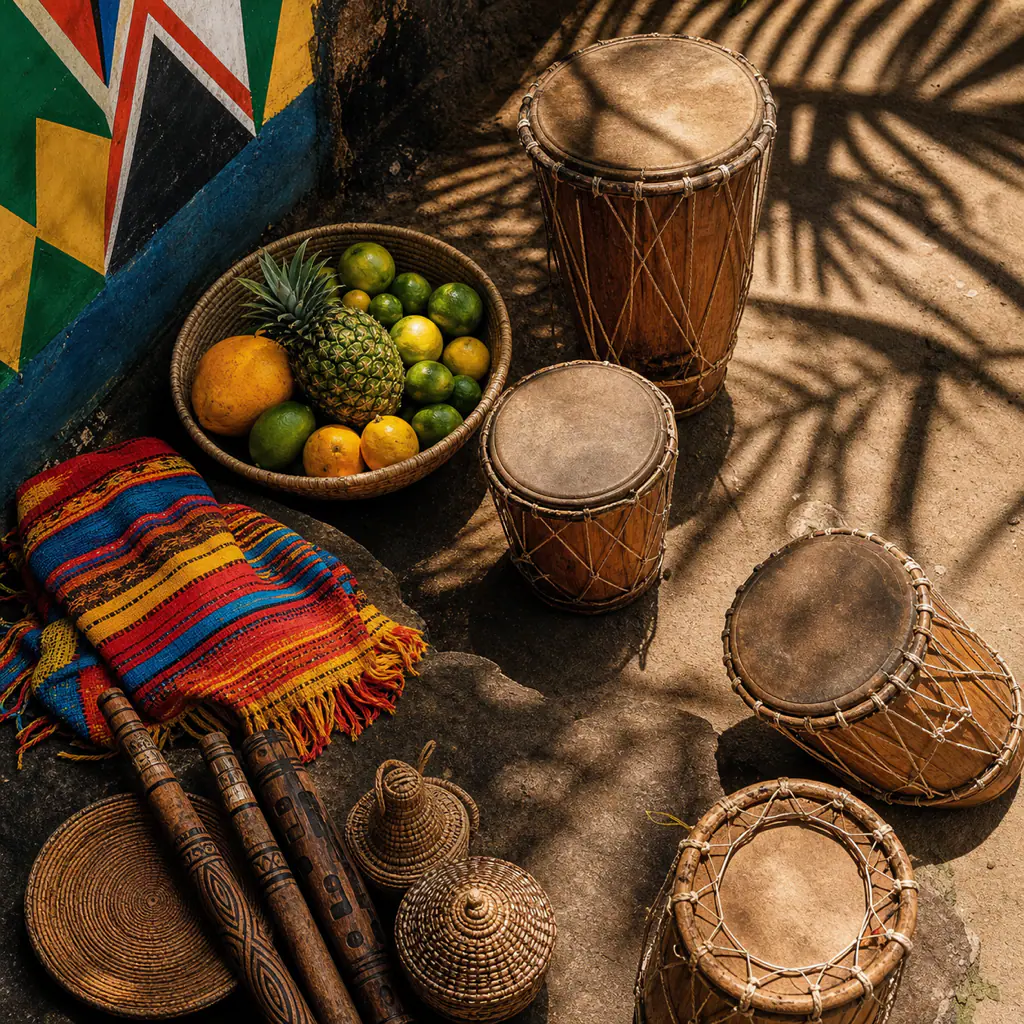
Palenque's streets feel modest at first glance, but they hold layers of meaning. Murals, drums, local guides, shaded doorways, small food stalls, and community gathering spaces all point toward a story that is bigger than any single monument. This is why a guided visit is strongly recommended. A good local guide can explain the difference between seeing a painted wall and understanding the people, songs, names, and memories behind it.
The word "palenque" refers to fortified settlements built by people who escaped enslavement during the colonial period. San Basilio de Palenque is remembered as one of the most important of these communities in the Americas. That history should be handled with care. Avoid reducing it to a single heroic slogan, and avoid treating residents as symbols rather than people. The strongest visit is one that connects the freedom story to present-day community life.
Language, Drums, and Memory
One of Palenque's most distinctive cultural treasures is Palenquero, a Creole language with African and Spanish influences. You may hear greetings, songs, explanations, or short lessons during a guided experience. Treat those moments as an invitation, not a novelty. Ask permission before recording, repeat words respectfully, and remember that language is not a souvenir; it is a living marker of identity.
Music is another doorway into Palenque. Drums are not background decoration here. They connect celebration, mourning, storytelling, and collective memory. If your visit includes a music demonstration, pay attention to the rhythm, the call-and-response structure, and the way sound moves through the body. It is easy to admire the energy. It is more meaningful to understand that rhythm carries history.
How to Visit from the Caribbean Coast
Most travelers reach Palenque as a day trip from Cartagena or nearby Caribbean routes, but the experience should not feel rushed. Roads, heat, and group timing can stretch the day, so leave early and avoid stacking too many activities afterward. If you hire transport, confirm pickup time, waiting time, and whether a local community guide is included. If you join an organized tour, choose one that works directly with Palenque residents and keeps group sizes reasonable.
Dress for heat, sun, and walking on uneven streets. Lightweight clothing, a hat, sunscreen, water, and comfortable shoes matter more than polished outfits. Palenque is photogenic, but photography etiquette matters. Ask before photographing people, especially children, elders, performers, or vendors. Buying food, crafts, or a guided service is a better way to support the community than taking images and leaving quickly.
Food and Local Flavor
Food is one of the easiest ways to connect with Palenque's Caribbean identity. Depending on the day and what local hosts offer, you might encounter coconut rice, fried fish, plantain, sweets, tropical fruit, or preparations shaped by Afro-Caribbean kitchen traditions. Do not arrive expecting a restaurant checklist. The best meals often come through community experiences, family-run kitchens, or simple local stops where conversation is part of the flavor.
If you are offered a tasting or cooking explanation, ask about ingredients, seasonality, and family techniques. Food in Palenque is not just fuel for the road back to Cartagena. It is another form of memory, one that connects the village to the Caribbean coast, African heritage, and everyday resilience.
Practical Tips
- Go with local context: Choose a guide or tour that clearly works with Palenque residents, not just a driver who drops you at the entrance.
- Start early: Heat builds quickly in Bolivar, and an early departure gives you more comfortable walking time.
- Carry cash: Bring Colombian pesos in small bills for guides, food, drinks, crafts, and tips.
- Ask before photos: Palenque is not an open-air studio. Permission is part of respectful travel.
- Learn a little: A few words about the community's history, language, and music will make the visit richer and less superficial.
🕵️ Insider Secrets
- The best guide is not always the loudest guide. Look for someone who explains daily life, language, and music with patience, not only big historical claims.
- Leave space in the schedule after the visit. Palenque can be emotionally powerful, and rushing straight into nightlife or beach plans can flatten the experience.
- If drums are part of your tour, stand close enough to feel the vibration but far enough to avoid turning the musicians into a selfie backdrop.
- Buy something small if you can: a drink, snack, craft, or guided service. Respectful tourism should leave money in the community.
San Basilio de Palenque belongs on a thoughtful 2026 Colombia itinerary because it asks travelers to slow down and pay attention. The village is colorful, musical, and memorable, but its deeper value comes from continuity: a community protecting language, rhythm, food, and freedom memory in plain sight. Place it within the wider Colombia cultural travel guide, visit with humility, and Palenque will feel less like a stop you checked off and more like a place that changed the way you listen.
eSIM for Colombia
Avoid high roaming fees. Get instant 4G/LTE data with Airalo as soon as you land in Bogotá or Medellín.
- Instant Activation
- No Physical SIM Card
- Local & Regional Plans