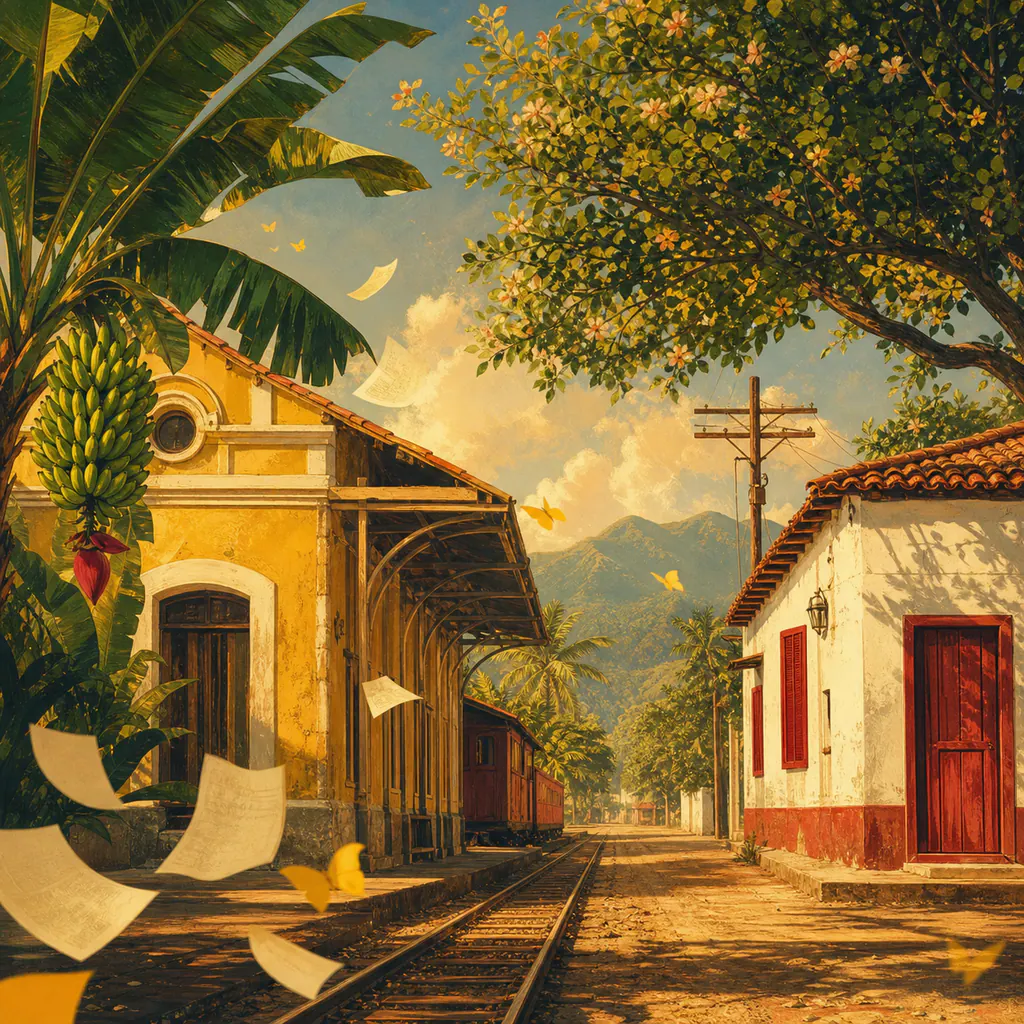
Aracataca is not the kind of Caribbean town you visit only for a checklist. It is humid, low-slung, leafy, literary, and full of ordinary corners that feel larger once you know what they awakened in Gabriel García Márquez. In 2026, Aracataca is one of Colombia's most meaningful detours for travelers who want the Caribbean roots behind Macondo without turning the town into a theme park.
Official Colombia Travel material places Aracataca about 87 kilometers from Santa Marta by road, in the banana-growing region at the foot of the Sierra Nevada de Santa Marta. That location matters. Heat, trains, plantations, river air, family houses, and local stories all helped shape the atmosphere that later traveled through García Márquez's work.
Why Aracataca Feels Different
Many literary destinations feel overexplained. Aracataca is stronger when you let it stay partly mysterious. Visitors come because the Nobel Prize winner was born here, but the town is not only a shrine to one writer. It is also a working Magdalena municipality with schoolchildren, street food, mototaxis, shaded sidewalks, old houses, and neighbors who carry stories in conversation rather than display cases.
The best way to arrive is with time. Colombia Travel suggests that a day and a night make the visit more rewarding. A rushed stop from Santa Marta can cover the Casa Museo, but it will miss the evening air, the railway mood, and the way the town changes once the harsh midday sun softens.
Casa Museo Gabriel García Márquez
The Casa Museo Gabriel García Márquez is the obvious first stop and still the emotional center of the visit. The museum recreates the Caribbean house where the writer spent part of his childhood, with spaces connected to family memory, domestic life, and the world that fed his imagination. The foundation's information describes fourteen house environments, including rooms associated with the colonel, the dining room, the kitchen, the patio, and the corridor of begonias.
Do not treat the museum as a quick photo stop. Walk slowly, listen to the guide if one is available, and pay attention to the relationship between objects, heat, silence, and family storytelling. The house is modest, which is exactly why it works. It makes García Márquez's global reputation feel rooted in doors, patios, plants, shadows, and everyday voices.
The Telegraph House and the Old Railway Station
Aracataca's literary route does not end at the birth house. The Casa del Telegrafista, connected to the writer's father, is recognized in government material as a heritage site and part of the local Macondo route. Its white facade and red doors give the town another layer: communication, letters, distance, waiting, and the arrival of news before the digital world.
The old railway station adds a different energy. Colombia Travel highlights it as a yellow-fronted historic stop linked to the banana boom of the early twentieth century. Around the station, Aracataca becomes less biographical and more regional. You start to feel the wider banana-zone history: movement, labor, trade, heat, and the rail line that connected this inland town with the coast and the outside world.
Ruta Macondo in 2026
Aracataca is especially interesting in 2026 because literary tourism here is becoming more structured. In December 2025, Fundación Gabo and CAF launched the Ruta Macondo: circuito Aracataca, an open-access project that identified key places in town and nearby Zona Bananera connected with García Márquez's life. The route references sites such as the Casa Museo, Escuela Montessori, Casa del Telegrafista, Estación del Tren, Teatro Olimpia, Camellón 20 de Julio, and streets tied to local memory.
That makes Aracataca easier to explore without reducing it to a single museum. Use the route as a loose framework, not a race. The point is to connect places, climate, geography, and oral tradition until the town reads like a living landscape.
Food, Heat, and the Banana-Zone Rhythm
Aracataca is hot, and that should shape your plan. Start early, rest during the brightest hours, and return to the streets when shadows lengthen. Bring water, light clothing, sunscreen, and patience. Caribbean travel rewards travelers who stop fighting the climate and move with it.
Food is part of the route. Colombia Travel points to plantain and palm-oil country, with local flavors such as cayeye, sancocho, peto, yuca cake, rice cake, and hearty cooking. Look for simple places with local customers rather than polished tourist menus. A good meal here should feel generous and tied to the agricultural landscape around town.
Practical Tips
- Start from Santa Marta: Aracataca is usually reached by road from Santa Marta, so plan traffic and daylight.
- Stay overnight if you can: A day trip works, but one night gives you morning light, cooler walks, and less museum pressure.
- Check museum hours directly: The Casa Museo schedule can shift around holidays, maintenance, and high season.
- Hire local guidance: A guide can connect the house, railway station, telegraph office, murals, and oral stories into one route.
- Respect the literary sites: Avoid treating private homes or quiet streets like sets. This is a lived-in town.
- Pack for heat: Use breathable clothing, sun protection, and cash for small purchases or local transport.
🕵️ Insider Secrets
- Go beyond the birth house: The station, telegraph house, Camellón 20 de Julio, and school sites make the visit much richer.
- Walk late afternoon: The town's colors, doors, trees, and old facades look softer once the Caribbean sun drops.
- Ask about the railway first: Understanding the banana-zone rail history changes how you read the town's streets.
- Leave time for conversation: Aracataca's strongest stories often arrive through guides and residents, not signs.
- Eat like it is part of the route: Cayeye, sancocho, and plantain dishes connect the literary stop with Magdalena life.
Aracataca is powerful because it does not need to perform magic for visitors. Its power is quieter: heat, dust, trees, railway memory, family rooms, food, and the feeling that a literary universe began in a town that still belongs to itself. In 2026, it is one of Colombia's stops for travelers who believe places teach you how to read.
eSIM for Colombia
Avoid high roaming fees. Get instant 4G/LTE data with Airalo as soon as you land in Bogotá or Medellín.
- Instant Activation
- No Physical SIM Card
- Local & Regional Plans