When you travel to the northernmost tip of South America, the landscape undergoes a dramatic transformation. Far from the lush, emerald coffee mountains of the center or the humid jungles of the south, La Guajira offers a stark, otherworldly beauty defined by desert dunes, turquoise coastlines, and a resilient indigenous spirit. In 2026, traveling to this region remains one of the most transformative experiences Colombia has to offer, particularly when visiting the salt flats of Manaure and learning from the Wayuu people who call this arid land home.
The White Mounds of Manaure
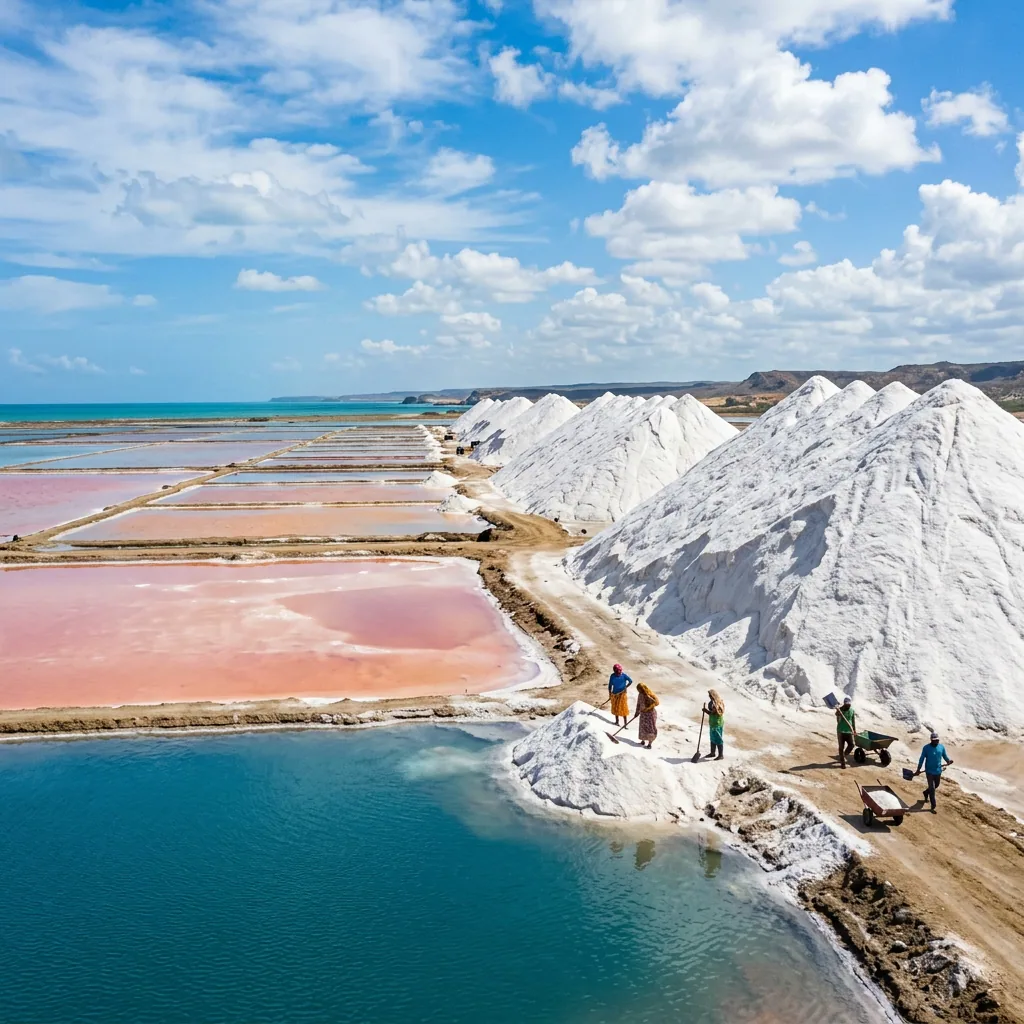
Arriving at the salt mines of Manaure is a lesson in patience and natural cycles. These historic salt flats are the largest in Colombia and have been the economic heartbeat of the region for generations. As you pull into the area, the horizon blinds you with a shimmering, snow-white expanse that feels entirely out of place under the tropical sun. These mounds of harvested salt represent a centuries-old artisanal production process. The seawater is channeled into large salt pans, where the intense heat of the northern sun evaporates the water, leaving behind pure, high-quality crystalline salt.
Walking among these towering piles, often reaching several meters in height, you get a sense of how deeply connected the environment is to human survival. The contrast between the brilliant white salt, the rusty iron-colored earth, and the piercing azure sky creates a photographer's dream. During the harvest season, you can often watch the local workers, many of whom are Wayuu descendants, as they toil in a process that has remained largely unchanged for decades, utilizing natural wind and sun to refine the minerals of the sea.
The Culture of the Wayuu People
La Guajira is the ancestral home of the Wayuu, an indigenous community that managed to maintain much of their cultural autonomy despite centuries of external pressures. In 2026, traveling here is not just about sightseeing; it is about engaging with a culture that values hospitality above all else. Known for their matrilineal lineage, the Wayuu society is structured around clans, each connected by a shared maternal history.
One of the most profound ways to engage with this culture is through the intricate art of weaving. You will encounter the famous "mochilas" (handwoven bags) everywhere you go. Each pattern tells a story of the person who created it, reflecting the dreams, myths, and natural surroundings of the Wayuu artisan. Purchasing these items directly from the women in the communities is not just an act of commerce, but a form of support that helps preserve their economic independence and cultural heritage.
Living the Desert Experience
The geography of La Guajira is a series of extremes. Moving past Manaure toward the Cabo de la Vela or Punta Gallinas, the landscape shifts into rolling, arid hills that drop sharply into the Caribbean Sea. Staying in a traditional "rancheria" is an essential part of the visit. These are basic, comfortable shelters where you can sleep in hammocks—the bed of choice in this region—and learn about the Wayuu belief system, heavily influenced by the spirits of their ancestors and the unpredictable nature of the desert climate.
Nights in the desert are surprisingly cool. Away from the light pollution of modern cities, the sky becomes a canvas of billions of stars. Sitting by a fire, listening to storytelling from community elders, provides a perspective on time and existence that is hard to find in the bustling urban centers of Colombia. It is a reminder that while the world rushes toward the future, these lands remain anchored in a much older, deeper cadence.
Practical Tips for Your Journey
- Travel during the dry season: While weather in the desert is always warm, aim to visit between December and March when the winds are manageable and the heat is slightly less intense.
- Pack light but smart: Use light-colored, breathable fabrics to reflect the sun, and always carry high-SPF sunscreen and a wide-brimmed hat.
- Cash is essential: In the remote parts of La Guajira, especially within the indigenous communities, credit cards and digital apps are rarely accepted. Carry enough cash for your food, artisanal purchases, and guide services.
- Transportation: Accessing these areas often requires a 4x4 vehicle. It is highly recommended to book a guided tour departing from Riohacha, as the desert trails can be difficult to navigate for those unfamiliar with the terrain.
- Water: This is an arid climate. Always carry a reusable bottle and purification tablets, as potable water access can be limited in the most remote rancherias.
🕵️ Insider Secrets
- The Golden Hour at the Salinas: Try to arrive at the Manaure salt flats just before sunset. The way the light hits the salt mounds creates a mirror effect on the water in the evaporation pans that is absolutely spectacular.
- Look for the 'Kanai': If you are interested in textiles, ask your guide to show you the specific designs known as 'Kanai'. These intricate geometric patterns represent the footprints of animals and items found in the desert, each holding deep symbolic significance.
- Respect the Rancheria: When entering a Wayuu community, always wait for the host's invitation before taking photos of people or their homes. A respectful greeting and an offering of gifts—such as sugar, coffee, or flour—is a traditional and well-received gesture.
- Off the Beaten Path: While most tourists stick to the main paths, ask your local guide about visiting the smaller, more isolated families further inland. These interactions are much more authentic and private compared to the more commercialized locations near the coast.
- Learn basic Wayuu customs: The Wayuu are shy initially but incredibly warm once a rapport is established. Learning a simple phrase in Wayuunaiki, the local language, will instantly open doors and create a more meaningful connection with your hosts.
A trip to La Guajira is not a vacation that leaves you feeling rested in the traditional sense; it is a journey that changes your perspective on the world. From the crystalline white salt of Manaure to the complex, beautiful traditions of the Wayuu, this corner of Colombia challenges your expectations. By approaching this land with humility and respect for its people, you ensure that your visit contributes positively to the preservation of a culture that represents the very soul of the Caribbean desert. Whether you are wandering through the white hills of the salt mines or watching the sunset over the turquoise sea, one thing is certain: La Guajira will stay with you long after the sand has been washed away from your boots.
eSIM for Colombia
Avoid high roaming fees. Get instant 4G/LTE data with Airalo as soon as you land in Bogotá or Medellín.
- Instant Activation
- No Physical SIM Card
- Local & Regional Plans