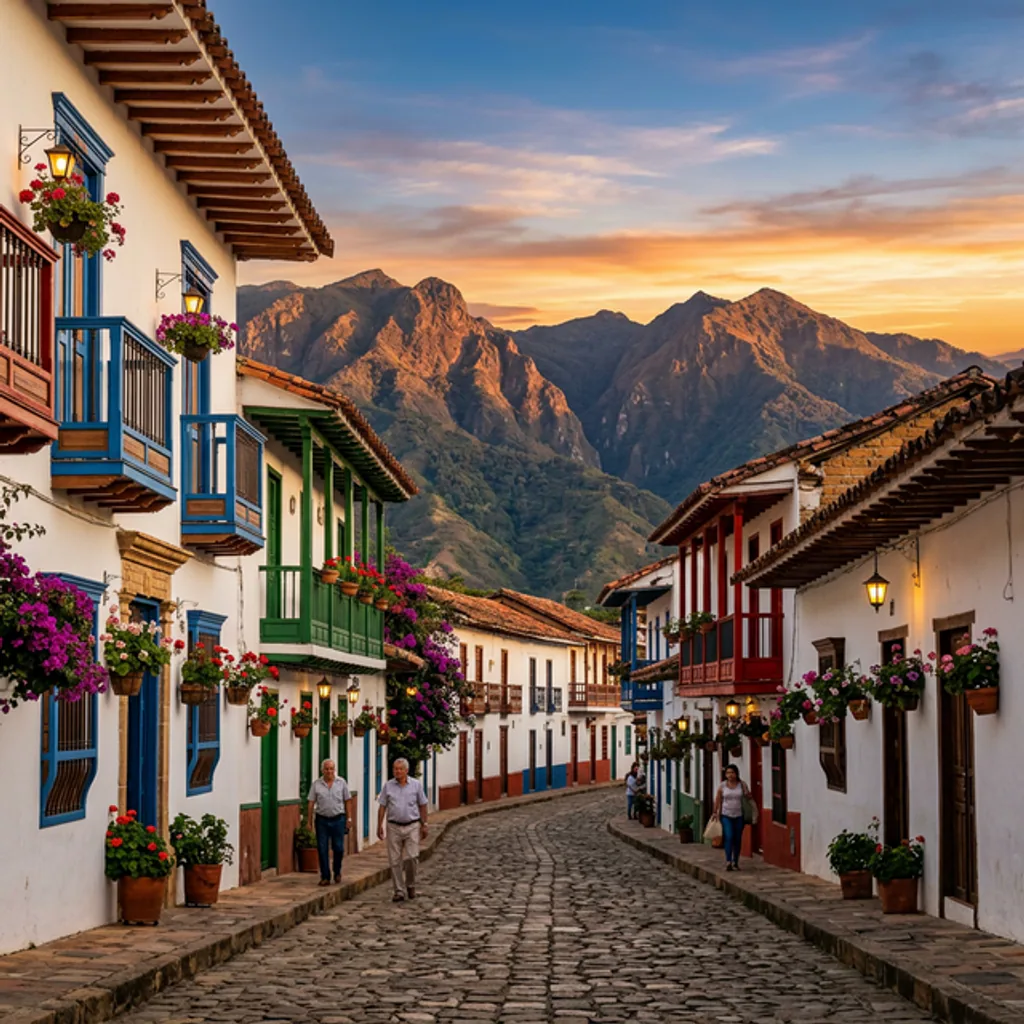
Nestled in the rugged northeastern corner of Colombia, bordering Venezuela, lies a department that is as historically significant as it is geographically surreal. Norte de Santander is the "Cradle of Colombia," the place where the laws of the republic were first forged. But beyond the history books, it is a land of dramatic landscapes, from the misty colonial highlands of Pamplona to the scorching, lightning-struck lowlands of the Catatumbo. In 2026, it remains one of the most rewarding destinations for travelers who want to venture off the well-worn path and discover the raw, authentic heart of the country.
This guide explores the diverse wonders and hidden gems of Norte de Santander in 2026.
The Birthplace of a Nation: Villa del Rosario
Your journey through Norte de Santander should begin where Colombia itself began: Villa del Rosario. Located just minutes from the bustling border city of Cúcuta, this historic site is home to the Templo Histórico. It was here, in 1821, that Simón Bolívar and Francisco de Paula Santander met to sign the Constitution of Cúcuta, creating the Republic of Gran Colombia. In 2026, the ruins of the temple, with its iconic dome and brick arches, stand as a powerful monument to the vision of a united South America. Walking through the surrounding Gran Colombia Park, you can visit the house where Santander was born and feel the echoes of the revolutionary spirit that changed the continent.
Los Estoraques: A Stone Forest in the Desert
One of the most visually stunning locations in all of Colombia is the Los Estoraques Natural Area, located near the town of La Playa de Belén. This is a geological wonderland of wind and water-eroded sandstone pillars that rise like ancient, silent sentinels from the earth. In 2026, it is recognized as one of the smallest yet most unique protected areas in the country. Hiking through the labyrinth of "stone cathedrals" and narrow canyons feels like stepping onto another planet. The deep reddish-brown of the earth against the brilliant blue sky of the Santander highlands creates a color palette that is a photographer's dream.
The nearby town of La Playa de Belén is a destination in itself. In 2026, it remains one of Colombia's most beautiful "Heritage Towns" (Pueblos Patrimonio). The entire village is a masterpiece of colonial uniformity, with whitewashed walls, brown wooden doors, and clay-tiled roofs that haven't changed in centuries.
Pamplona: The Misty City of the Mitres
High in the Andean mountains of Norte de Santander lies Pamplona, one of the oldest cities in the Americas. Founded in 1549, it was a major religious and educational hub during the colonial era. In 2026, Pamplona is a vibrant university town with a mystical, misty atmosphere. It is famous for its massive colonial churches and its intense Holy Week celebrations, which are among the most traditional in Colombia. The cool, crisp mountain air is a refreshing break from the heat of the valleys, and the city’s narrow cobblestone streets are filled with the energy of students and the scent of freshly baked Pamplonés bread.
The Catatumbo Lightning: Nature’s Eternal Lighthouse
For those seeking the truly extraordinary, the northern lowlands of the department offer the Catatumbo Lightning (Relámpago del Catatumbo). This unique meteorological phenomenon occurs where the Catatumbo River flows into Lake Maracaibo. In 2026, it remains the most active lightning spot on Earth, producing thousands of silent lightning bolts every hour for up to 160 nights a year. Looking north from the foothills of Norte de Santander on a clear night, you can see the horizon flickering with "Nature’s Lighthouse." It is a spectacular sight that has guided sailors for centuries and remains one of the world's great natural mysteries.
Practical Tips for the 2026 Santander Traveler
- Getting There: Cúcuta (Camilo Daza International Airport) is the main gateway, with frequent flights from Bogotá and Medellín. In 2026, the roads to Pamplona and Ocaña are well-maintained but winding—be prepared for some long, scenic bus or car rides.
- The Weather: Norte de Santander is a land of extremes. Cúcuta is famously hot and sunny year-round, while Pamplona and the high paramo areas can be quite cold, especially at night. Pack for both tropical heat and mountain chills.
- Regional Flavors: You must try the Pastel de Garbanzo (chickpea pastry) for breakfast in Cúcuta. In Ocaña, look for Arepa Ocañera, which is thinner and crunchier than the central Colombian versions, usually served with a local cheese called "queso costeño."
- Safety in 2026: While the main tourist areas like Pamplona and La Playa de Belén are safe and welcoming, the Catatumbo region is remote and requires careful planning with authorized local guides.
Norte de Santander is a place that rewards the curious. It is a department that doesn't shout for attention, but instead whispers its secrets to those who take the time to listen. In 2026, from the silent stone forests of Estoraques to the revolutionary ruins of Villa del Rosario, it remains a vital, soulful part of the Colombian story.
🕵️ Insider Secrets
- The Secret Viewpoint: In Pamplona, hike up to the "Cristo Rey" statue at sunset. The view of the mist rolling over the colonial rooftops as the city lights begin to flicker is the most romantic spot in the department.
- Hidden Waterfalls: Near Ocaña, ask a local guide to take you to Paila Quemada. It’s a series of hidden waterfalls and natural pools tucked away in a lush canyon, far from the main tourist sights.
- The Best Coffee: Some of Colombia's best high-altitude coffee is grown around the town of Toledo. In 2026, several small family farms offer intimate "bean to cup" tours that are much more personal than the larger farms in the Coffee Triangle.
eSIM for Colombia
Avoid high roaming fees. Get instant 4G/LTE data with Airalo as soon as you land in Bogotá or Medellín.
- Instant Activation
- No Physical SIM Card
- Local & Regional Plans