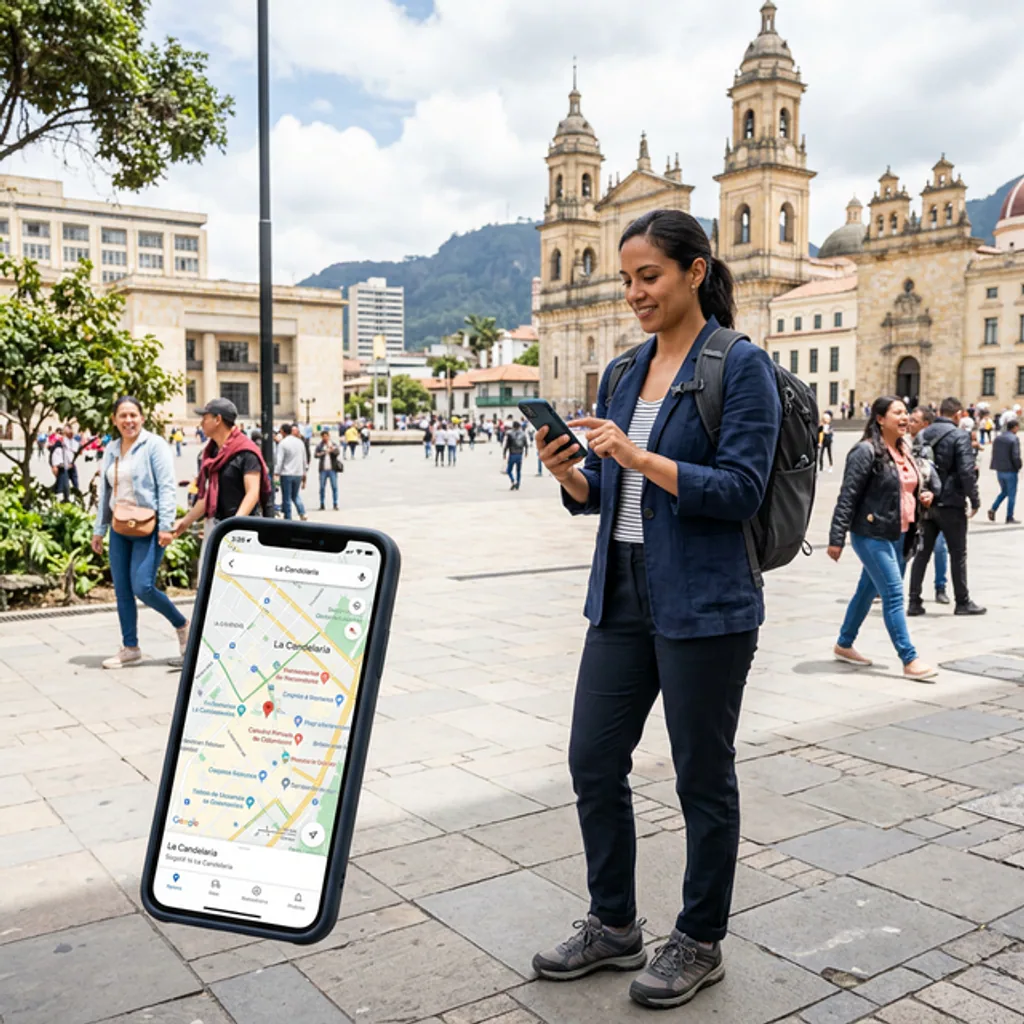
Is Colombia safe to visit in 2026? There is no honest nationwide yes-or-no answer. Conditions differ between departments, cities, neighborhoods, roads, and times of day, and they can change after an article is published. A useful safety plan starts with the exact route, current official advice, deliberate transport, and a backup for the parts of the trip most likely to change.
Use the Colombia travel safety by destination planner to compare official sources and route checks for Bogotá, Medellín, Cartagena, Santa Marta, and San Andrés. This guide explains the practical habits that apply across a trip without pretending that every destination has the same risk.
Read Current Advice Before Judging the Route
Start with the complete advisory published for your nationality, then examine the regional map and every transfer on the itinerary. The UK Foreign, Commonwealth & Development Office advice identifies areas where it advises against travel and explains how that advice can affect insurance. The U.S. State Department Colombia advisory separates the national level from higher-risk regions and provides current preparation steps for U.S. travelers.
Those services are written for their own citizens, so also consult your government's equivalent. Check the publication or update date, read beyond the headline level, and subscribe to alerts when the service offers them. A popular city may be outside a warning area while an onward road, border zone, rural trail, or boat route crosses a place covered by different advice.
- Name every leg: List each airport, road, border, boat, trail, and overnight stop rather than checking only the final destination.
- Read insurance terms: Confirm whether official advice, altitude, diving, trekking, motorbike use, theft, or medical evacuation changes the cover.
- Recheck near departure: Review the same route during the final week and again when weather, demonstrations, or local conditions change.
Plan Urban Transport and Phone Use Deliberately
In major cities, reduce uncertainty before you step onto the street. Use an authorized airport taxi booth, transport arranged by accommodation or a restaurant, or a reputable dispatch or app-based service where it operates. Confirm the vehicle and driver before entering, share the journey with a trusted contact, and plan the return before an evening begins.
Colombia's familiar advice, no dar papaya, means not creating an easy opportunity. Keep phones, watches, jewelry, cameras, and large amounts of cash discreet. If you need to check a route, step into a shop, hotel, or cafe instead of standing distracted beside traffic. On crowded public transport, keep bags closed and in view, and avoid placing a phone in an exposed pocket.
Treat Nightlife and New Meetings as Their Own Plan
Official travel advice reports drug-assisted robberies and assaults, including incidents connected with nightlife and dating apps. Meet a new contact in a busy public place, tell someone where you are, keep control of your transport, and do not move to a private location because a stranger insists. Watch food and drinks, do not accept them from people you do not trust, and leave with your own group.
If you become suddenly confused, unusually impaired, or separated from your belongings, tell venue staff or a trusted person immediately, move to a populated place, and seek urgent medical help. Do not go elsewhere with a new acquaintance. Avoid turning one substance name or one neighborhood into the whole safety story; the useful response is a repeatable plan for food, drinks, meetings, communication, and the journey home.
Check Rural Roads, Weather, and Operator Plans
Regional travel needs more than a city-level answer. Armed-group activity, demonstrations, roadblocks, landslides, floods, marine conditions, and limited mobile coverage can affect a specific corridor while nearby visitor areas continue operating. Favor established operators, verify the exact route, and ask how the provider receives current information and changes the plan.
For an unfamiliar rural journey, daylight travel and a realistic arrival margin make disruptions easier to manage. Confirm the final transfer rather than assuming a main bus or boat reaches the accommodation. For remote excursions, ask who carries communications, what insurance is included, where the nearest appropriate medical help is, and what happens if weather or access conditions cancel the activity.
Protect Money, Accounts, and Documents
Use ATMs in controlled locations such as banks or shopping centers, shield the PIN, and reject unsolicited help. Keep one low-limit payment method for daily use and store a backup separately. Enable transaction alerts before travel and save the bank's card-cancellation number somewhere that does not depend on the missing card or phone.
Prefer your own mobile data for banking and sensitive accounts. Keep encrypted offline copies of your passport identity page, entry record, insurance, prescriptions, accommodation, and onward booking. Copies help with recovery but do not replace an original document when an airline, authority, bank, or border official requires it.
Separate Safety Advice from Entry and Health Rules
Security guidance does not answer visa, immigration, vaccination, or personal medical questions. Use the Colombia entry, health, and arrival logistics guide for Check-Mig, permission to stay, yellow-fever planning, documents, money, and connectivity. Confirm health recommendations for your itinerary with an official service and a qualified travel-health professional, especially for pregnancy, chronic conditions, altitude, remote expeditions, or mosquito-borne illness risk.
Comprehensive travel insurance is strongly advisable. Compare medical treatment, evacuation, trip interruption, theft, and activity exclusions against what you will actually do. Keep the assistance number and policy details available offline, and contact the insurer promptly if an incident may lead to treatment, evacuation, cancellation, or a claim.
Practical Tips
- Save 123: Colombia's national emergency line covers police and ambulance response. Verify specialist numbers on the Colombia Tourist Police page.
- Share the complete day: Give a trusted person the accommodation, operator, transport, and expected return time, not only the attraction name.
- Ask about the exact hour: A route that works in daylight may need different transport after an evening event.
- Avoid demonstrations: Do not approach a gathering for photographs. Follow local authority instructions and allow extra travel time.
- Keep a second route: Identify one realistic alternative when a road, trail, flight, or boat connection closes.
- Trust a change of plan: Leave when a situation feels wrong, even if doing so loses a reservation or means missing an activity.
🕵️ Insider Secrets
- Write the address in Spanish: Keep the accommodation name, street address, and phone number on paper as well as offline on the phone.
- Use the front desk twice: Ask about the outward journey and the return separately; the useful transport choice may change after dark.
- Create an alert word: Agree on a simple phrase with a trusted contact that means you need help without explaining the situation.
- Split essentials: Do not keep every card, identity document, cash reserve, and phone in the same bag.
Colombia's hospitality is real, but it is not a safety guarantee. A prepared traveler checks the exact route, uses current official information, chooses transport deliberately, protects access to money and documents, and changes the plan when conditions require it. That approach is more useful than either blanket reassurance or blanket fear.
eSIM for Colombia
Avoid high roaming fees. Get instant 4G/LTE data with Airalo as soon as you land in Bogotá or Medellín.
- Instant Activation
- No Physical SIM Card
- Local & Regional Plans