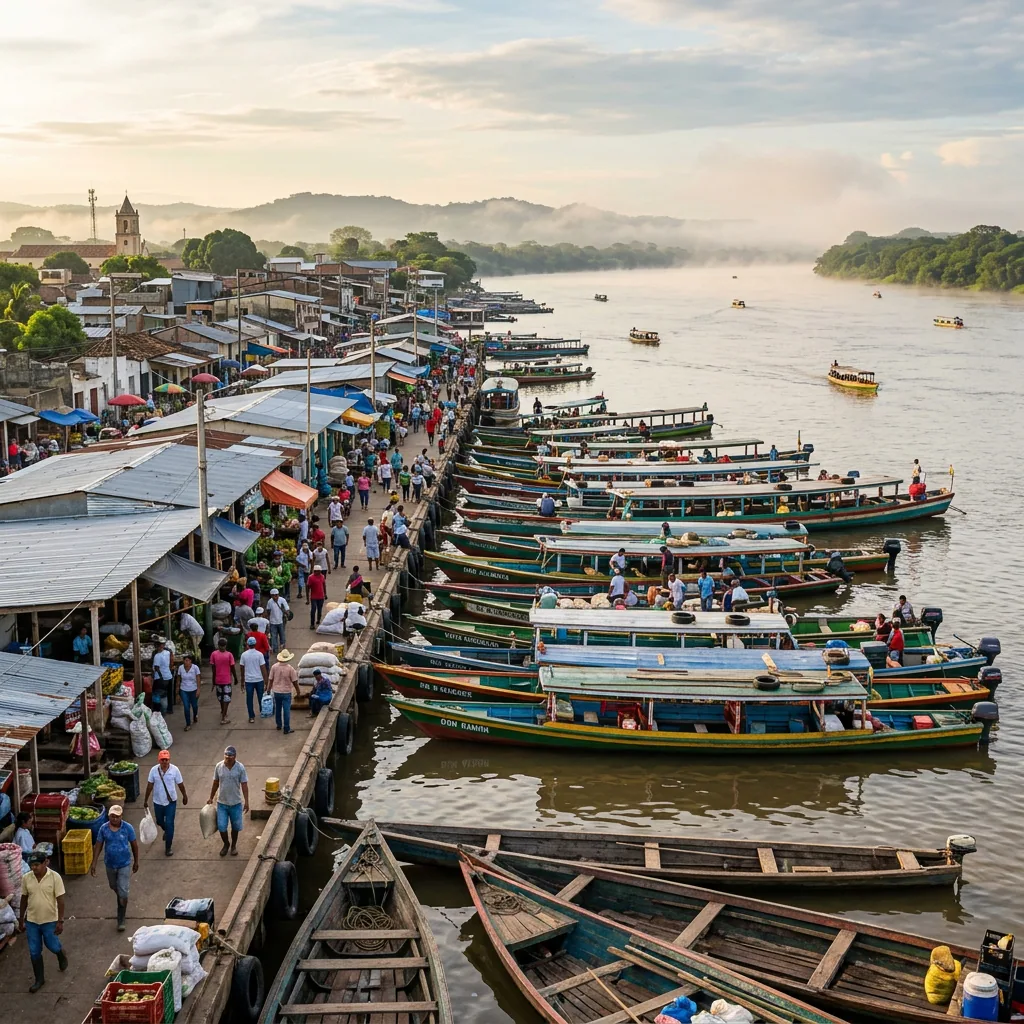
When travelers think of the Magdalena River, the colonial splendor of Mompox often dominates the narrative. Yet, for any serious voyager venturing into the watery labyrinth of the Momposina Depression, all paths must first intersect at Magangué. Situated in the department of Bolivar, Magangué is a place that defies the manicured expectations of typical tourist trails. It is loud, unapologetically humid, and brimming with the raw, kinetic energy of a city that lives and breathes by the rise and fall of the river.
The Arterial Heart of the Momposina Depression
Magangué is not merely a bridge between mainland transit and the marshlands; it is the center of gravity for the region. As the primary port in the lower Magdalena basin, it serves as the essential stopover for goods, local travelers, and the adventurous spirits heading deep into the interior. In 2026, the city remains an authentic reflection of the Caribbean Colombian identity, unvarnished by the heavy hand of mass tourism. Here, the river serves as the main street, where motorized canoes known as chalupas zip across the water with the frequency of city buses.
The city's geography is defined by its complex relationship with the surrounding wetlands. This is the Momposina Depression, a vast, flood-prone landscape where the Magdalena, Cauca, and San Jorge rivers converge. Magangué stands as the sentinel at the gate, providing the transition point for those transitioning from the paved roads into the labyrinthine network of channels and riverine communities that define this unique corner of South America.
A Deep Dive into Local Culture and Commerce
To experience Magangué is to submerge yourself in an atmosphere of intense commerce and communal life. A stroll through the central market area reveals the true diversity of the region. You will find vendors selling everything from artisanal woven goods meant for the swampy interior to exotic fruits only found in this microclimate. The culinary landscape here is heavy on river fish, specifically the bocachico, which is prepared in myriad ways—grilled over charcoal, stewed in coconut milk, or fried to a crisp perfection.
Unlike the silence found in pristine mountain forests, Magangué possesses a hum of activity that lasts from dawn until late at night. The influence of local vallenato music is omnipresent, spilling out from small hole-in-the-wall bars and humming from the speakers of passing boats. It is a place that rewards the observer—those who are willing to sit on the dock, order an ice-cold local beverage, and simply watch the choreography of river life unfold.
Gateway to the Historic Waters of Mompox
For most travelers, Magangué is the final point of civilized transport before reaching the UNESCO World Heritage town of Mompox. While travel to Mompox has become more accessible with modern bridge infrastructure, the river route remains the most storied way to enter. Taking a boat from the port of Magangué provides a unique perspective on the ecosystem of the depression. As you move away from the city, the urban noise fades into the cries of waterbirds and the rhythmic thrashing of the outboard motor, as the landscape shifts into a lush, water-logged wonderland.
The transition is profound. Leaving the intensity of Magangué and entering the quiet stillness of the Momposina wetlands allows you to appreciate the sheer scale of the hydrology that has shaped Northern Colombian history for centuries. You are not just moving between two cities; you are moving between two worlds: the busy, industrial present of regional logistics and the suspended-in-time colonial stillness of the river banks.
Practical Tips for the Discerning Traveler
- Best Time to Visit: Aim for the dry season, typically between December and March. The low water levels make transportation more predictable and the heat slightly more manageable for exploring on foot.
- Transportation: If you are arriving from Bogota or Medellin, you will likely take a bus to the main terminal. From there, tuk-tuks (locally known as motocarros) are the most efficient way to navigate the city and get to the river port.
- Safety and Awareness: As with any major transit hub in Colombia, keep your belongings secure and your wits about you. Stick to the well-traversed areas near the port and main plazas, especially after dark.
- Hydration is Key: The humidity in the Momposina Depression is intense. Carry a reusable water bottle and replenish electrolytes regularly.
- Language: While Spanish is the primary language, the local dialect is fast-paced and peppered with regional slang. A few basic phrases in Spanish will go a long way in navigating the boat schedules.
🕵️ Insider Secrets
- The Sunrise Watch: Head to the river port at 5:30 AM. Aside from avoiding the mid-day heat, you will witness the arrival of the local supply boats. It is the most photogenic time of day, with the light hitting the water in golden hues.
- The Fish Market Experience: Ask a local to direct you to the dedicated fish market near the waterfront. Don't be shy to ask the vendors about the catch of the day; they are often proud to explain the seasonal varieties of river fish.
- Local Vallenato Talent: Ask at your accommodation about local bars that host live accordion players. The talent in this part of the country is exceptional and often far more authentic than the shows staged in larger tourist hubs.
- The "Secret" Short-Cut: If you are planning to head toward Mompox, try to coordinate your arrival at the port for a morning boat launch. Private boatman networks are often more reliable than the larger, shared launches for those looking for a quieter, more personal experience.
- Photography Pro-Tip: The contrast between the colorful, weathered boats and the vast grey-blue river makes for stunning long-exposure shots. Use a polarizing filter to cut the glare off the water surface.
Magangué serves as a necessary reminder that much of Colombia's beauty lies not in the postcards of crowded city centers, but in the functional, historic, and vibrant corridors that keep the country connected. Whether you are passing through to reach the historic depths of Mompox or looking to engage with the authentic pulse of a river-bound life, this port is an essential chapter in the story of the Colombian interior in 2026.
eSIM for Colombia
Avoid high roaming fees. Get instant 4G/LTE data with Airalo as soon as you land in Bogotá or Medellín.
- Instant Activation
- No Physical SIM Card
- Local & Regional Plans