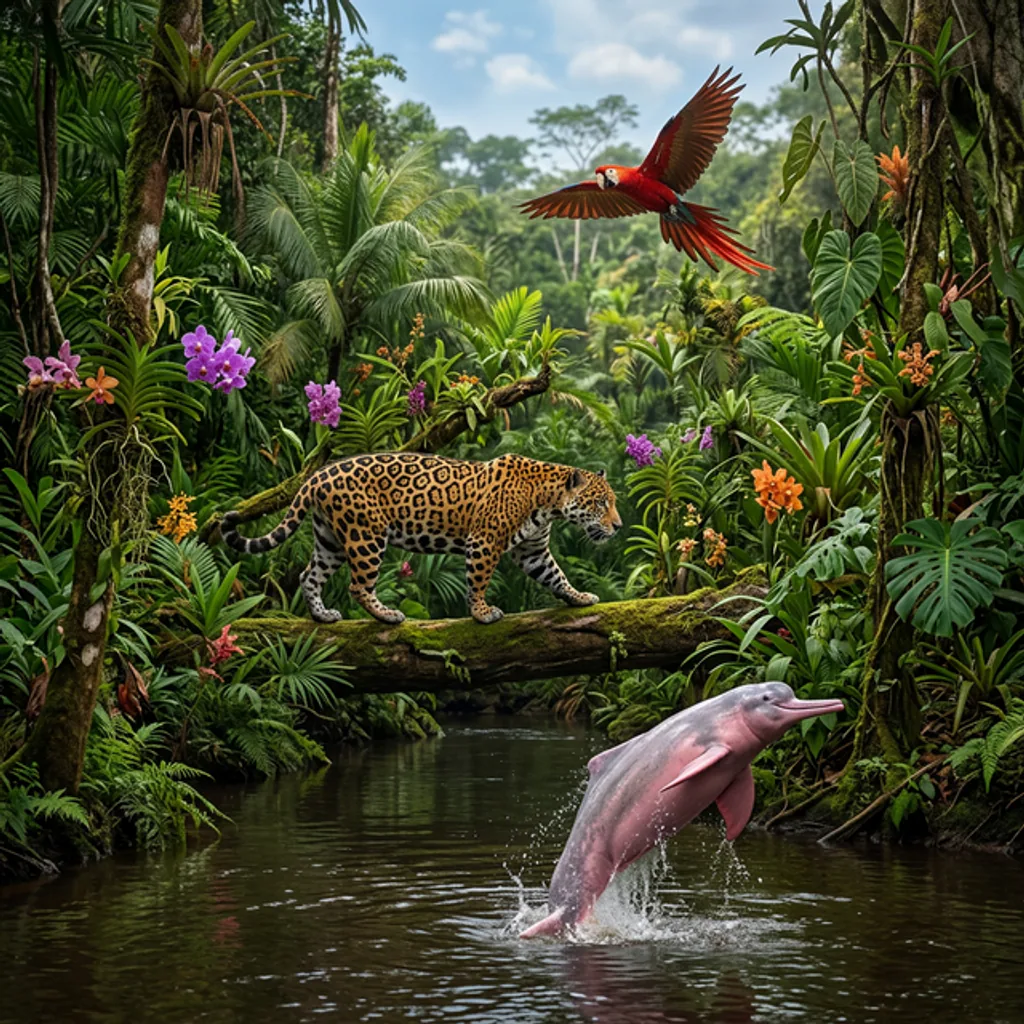
Colombia is a land of superlatives when it comes to nature. It is the only country in the world that possesses the three "mega-ecosystems" of the Americas: the Andes Mountains, the Amazon Rainforest, and both the Caribbean and Pacific coasts. In 2026, Colombia is recognized as the most biodiverse country per square kilometer on the planet, a living laboratory where every altitude and every climate zone hosts a unique set of life forms. From the misty paramo peaks to the coral reefs of the Caribbean, Colombia is a testament to the resilience and variety of life on Earth.
This guide is your portal to understanding why Colombia is the ultimate destination for nature lovers and what you can do to experience its wildlife responsibly in 2026.
Ecosystems: From High-Altitude Deserts to Sunken Gardens
Colombia’s extreme topography creates a series of "island" ecosystems that have allowed evolution to go wild. In 2026, the country’s 59 national parks protect these vital habitats.
- The Paramo: Found only in the high Andes, this "water factory" is a landscape of giant espeletia plants (frailejones) that capture moisture from the mist. It is a high-altitude desert that feels like another planet.
- Cloud Forests: Perched on the slopes of the Andes, these forests are permanently draped in clouds, creating a haven for epiphytes, mosses, and hundreds of species of orchids.
- The Amazon Basin: Covering over a third of the country, the Colombian Amazon is a sea of green that regulates the global climate and houses an extraordinarily complex network of life. The Colombian Amazon itinerary connects this ecosystem context to a realistic Leticia, Amacayacu, and Puerto Nariño route.
- Coastal Marine: From the barrier reefs of San Andrés to the deep Pacific trenches where whales breed, Colombia’s marine life is a world of its own.
The Land of a Thousand Wings: Birdwatching Heaven
If you are a bird lover, Colombia is your cathedral. With over 1,900 species—more than any other country on Earth—Colombia is the undisputed world champion of bird diversity. In 2026, birdwatching has become a major pillar of sustainable tourism, with specialized lodges scattered across the country.
You can see the Andean Condor soaring over the glaciers of Los Nevados, the Andean Cock-of-the-Rock performing its vibrant mating dance in the forests of Antioquia, and over 160 species of hummingbirds flitting through the flowers of the coffee region. Every morning in Colombia begins with a symphony that you won’t hear anywhere else in the world.
Icons of the Wild: Jaguars, Dolphins, and Spectacled Bears
Colombia’s mammalian diversity is equally impressive. The Jaguar, the largest cat in the Americas, still roams the vast Llanos and the depths of the Amazon. In the high Andes, the elusive Spectacled Bear (the only bear species in South America) can sometimes be spotted in the cloud forests of Chingaza or Cocuy.
One of the most magical wildlife encounters in 2026 is seeing the Pink River Dolphins of the Amazon and Orinoco rivers. These intelligent creatures, wrapped in indigenous legend, are a symbol of the health of the river systems. And on the Pacific coast, the return of the Humpback Whales every year is a reminder of the global connections that define our planet’s ecology.
Conservation and Community: The 2026 Frontier
The survival of Colombia’s biodiversity depends on the people who live alongside it. In 2026, community-led conservation projects have transformed former conflict zones into ecotourism hotspots. By visiting these areas, you are directly supporting the protection of species like the Cotton-top Tamarin or the Yellow-eared Parrot.
Sustainable travel in Colombia means choosing operators who prioritize the environment, minimize their footprint, and contribute to local reforestation efforts. The goal is to leave the forest exactly as you found it—or even better.
Practical Tips for the 2026 Nature Explorer
- Gear Up: A high-quality pair of binoculars and a good camera with a telephoto lens are essential for wildlife spotting.
- Dress for Success: Layering is key. You might start your day in the freezing Paramo and end it in the humid jungle. Bring high-quality waterproof gear.
- Respect the Space: Maintain a safe distance from all wildlife. Never feed animals, as this can disrupt their natural behaviors and health.
- Go with an Expert: Local guides have "forest eyes." They can spot a camouflaged sloth or a tiny poison dart frog that you would walk right past.
Colombia’s biodiversity is a gift to the world. It is a place where you can still feel the primal energy of the Earth and witness the incredible complexity of life. In 2026, as you stand in the silence of a cloud forest or watch the sun set over the Amazon, you will realize that we don't just visit nature in Colombia—we remember that we are a part of it.
🕵️ Insider Secrets
- The Best Hummingbird Garden: Visit Finca La Romelia near Manizales. It’s an orchid farm and hummingbird sanctuary where you can sit inches away from dozens of different species. It’s a sensory experience like no other.
- The Glowing Forest: In certain parts of the Amazon, ask your guide about bioluminescent fungi. A night walk through the jungle when the floor is glowing with a soft, green light is truly magical.
- Whale Song from the Shore: In Nuquí, if the night is very still and the whales are close to the shore, you can sometimes hear their songs reflecting off the jungle walls. It’s a haunting and beautiful experience.
eSIM for Colombia
Avoid high roaming fees. Get instant 4G/LTE data with Airalo as soon as you land in Bogotá or Medellín.
- Instant Activation
- No Physical SIM Card
- Local & Regional Plans