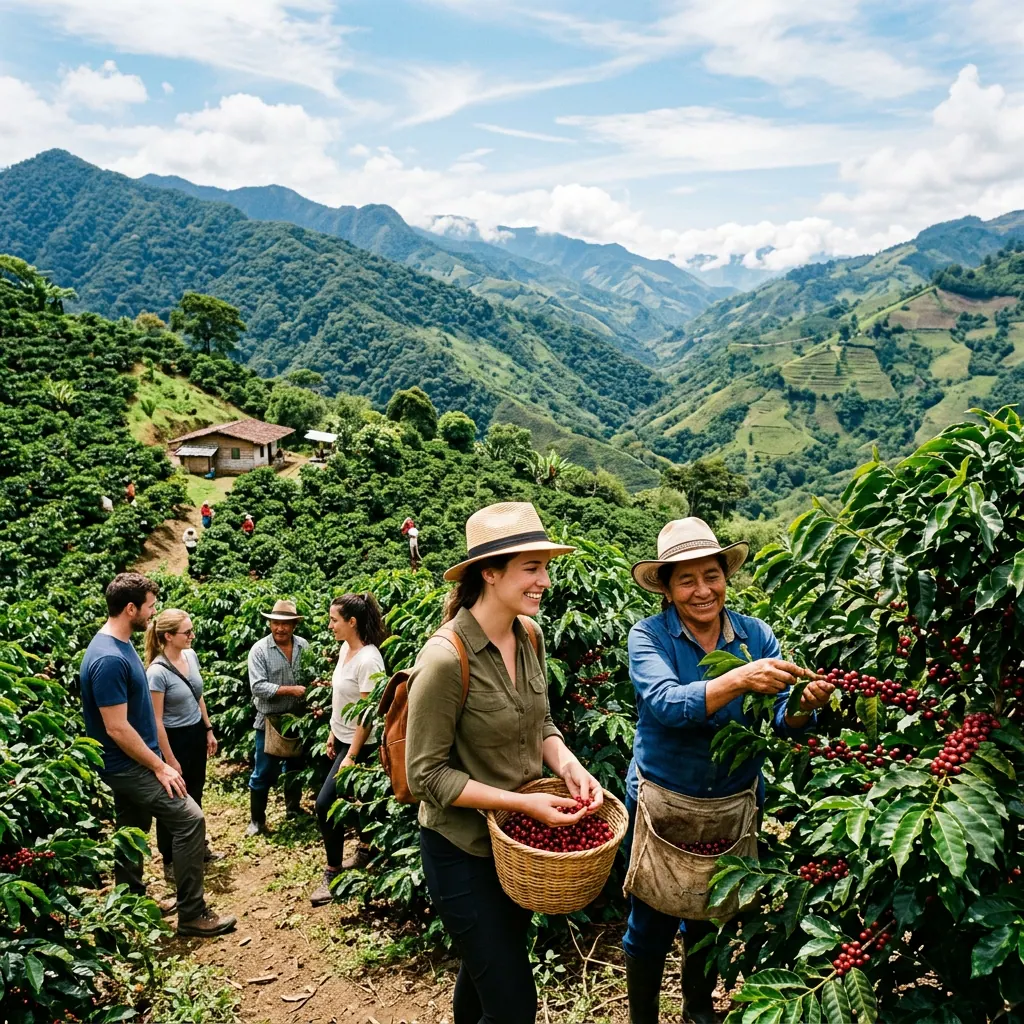
Welcome to the Eje Cafetero, the soul of Colombia. Known globally as the Coffee Triangle, this region in the heart of the Andes is more than just the source of the world's finest beans—it is a UNESCO World Heritage site celebrated for its stunning landscapes, vibrant colonial architecture, and the warm hospitality of the Paisa people. In 2026, the Coffee Triangle remains one of Colombia's most beloved destinations, offering a sensory journey through the art of coffee and the beauty of the high-altitude cloud forests.
Use the Colombia Coffee Region planner to compare Salento, Filandia, Armenia, Pereira, Manizales, and northern Caldas by gateway, stay length, and road logic before choosing individual stops.
Once you know which bases fit, use the Coffee Region tours guide to compare independent farm visits, shared excursions, private-driver circuits, and multi-day packages by transport, inclusions, operator credentials, and weather policy.
Comprising the departments of Caldas, Quindío, and Risaralda, the region is a tapestry of rolling green hills, mist-covered valleys, and traditional towns that have changed little over the decades. This guide will help you navigate the "liquid gold" and the emerald peaks of the coffee heartland in 2026.
The Art of the Bean: Finca Tours in 2026
In 2026, a visit to a traditional coffee finca (farm) is mandatory. The process of producing high-quality Arabic coffee is an labor of love, and local farmers are eager to share their knowledge. From picking the ripe red cherries to the delicate roasting process, you’ll gain a profound appreciation for the cup you drink every morning.
- Bean-to-Cup Experience: Many fincas near Salento and Filandia offer immersive tours where you can walk through the plantations, learn about sustainable farming practices, and participate in professional "cupping" sessions to identify the complex notes of different roasts.
- Sustainable Farming: In 2026, the region has led the way in eco-friendly coffee production. Look for farms that prioritize biodiversity and organic methods, ensuring that the industry thrives while protecting the delicate Andean ecosystem.
The Icons of the Triangle: Salento and Cocora Valley
The town of Salento is the colorful gateway to the region. With its brilliantly painted doors, balconies overflowing with flowers, and the lively Calle Real, it is the quintessence of Paisa charm. In 2026, it remains the perfect base for exploring the surrounding wonders.
Just a short "Willys" (traditional Jeep) ride away lies the Cocora Valley, home of the towering Quindío wax palm. Use the Cocora Valley tours guide to compare an independent visit with guided hikes, horseback outings, and coffee-farm combinations before choosing a product. The valley's mist and wet mountain terrain make route, timing, and return transport more important than a long list of inclusions.
Beyond Salento: Filandia and Pijao
While Salento is the most famous, 2026 travelers are increasingly discovering the quieter gems of the Triangle:
- Filandia: Often called "Salento without the crowds," Filandia offers equally stunning colonial architecture and a world-class gastronomic scene. The view from the Colina Iluminada tower provides a 360-degree panorama of the coffee hills.
- Pijao: The first "Cittaslow" (Slow City) in Latin America. Pijao is a place where time truly stands still. It is the ideal destination for those looking for an authentic, low-impact encounter with the local way of life.
Practical Tips for the 2026 Coffee Traveler
- Weather: The Coffee Triangle enjoys a temperate climate, but the altitude means it can rain at any time. In 2026, we recommend the "layer" approach: light clothing for the sunny days and a good waterproof jacket for the mountain showers.
- Transportation: The most authentic way to get around is by Willys Jeep. They depart regularly from the town plazas and are a fun, albeit bumpy, way to reach the trailheads and fincas.
- Accommodation: Stay in a converted coffee hacienda. Many historic farms have been transformed into boutique hotels that offer a unique blend of colonial luxury and rural tranquility.
- Best Time to Visit: The "dry" seasons from December to March and July to August are popular, but the mist and rain of the shoulder seasons add a magical atmosphere to the cloud forests.
The Coffee Triangle is a place that warms the soul. It is a reminder of the simple joys of life—a perfect cup of coffee, a breathtaking view, and a friendly smile. In 2026, as the sun sets over the rolling hills of Quindío, you’ll realize that you haven’t just visited a region; you’ve experienced the very heart of Colombia.
Because the region spans three departments, road transfers can take longer than a map suggests. Group nearby towns into one base and confirm the final rural approach with your finca before setting out.
🕵️ Insider Secrets
- The Secret Forest of Oento: Near Filandia, explore the Barbas-Bremen soil reserve. In 2026, it remains a hidden spot where you have a high chance of spotting Red Howler Monkeys in their natural habitat.
- Traditional Hot Chocolate: In the evenings, head to a local bakery and order Chocolate con Queso. It’s a Colombian tradition to drop chunks of salty cheese into your hot chocolate—trust us, it’s delicious in 2026.
- Pueblo Tapao: For a true hidden gem, visit this small town near Armenia. It’s a major producer of plátano (plantain), and you can find incredible local dishes that you won't see on the main tourist trails.
eSIM for Colombia
Avoid high roaming fees. Get instant 4G/LTE data with Airalo as soon as you land in Bogotá or Medellín.
- Instant Activation
- No Physical SIM Card
- Local & Regional Plans