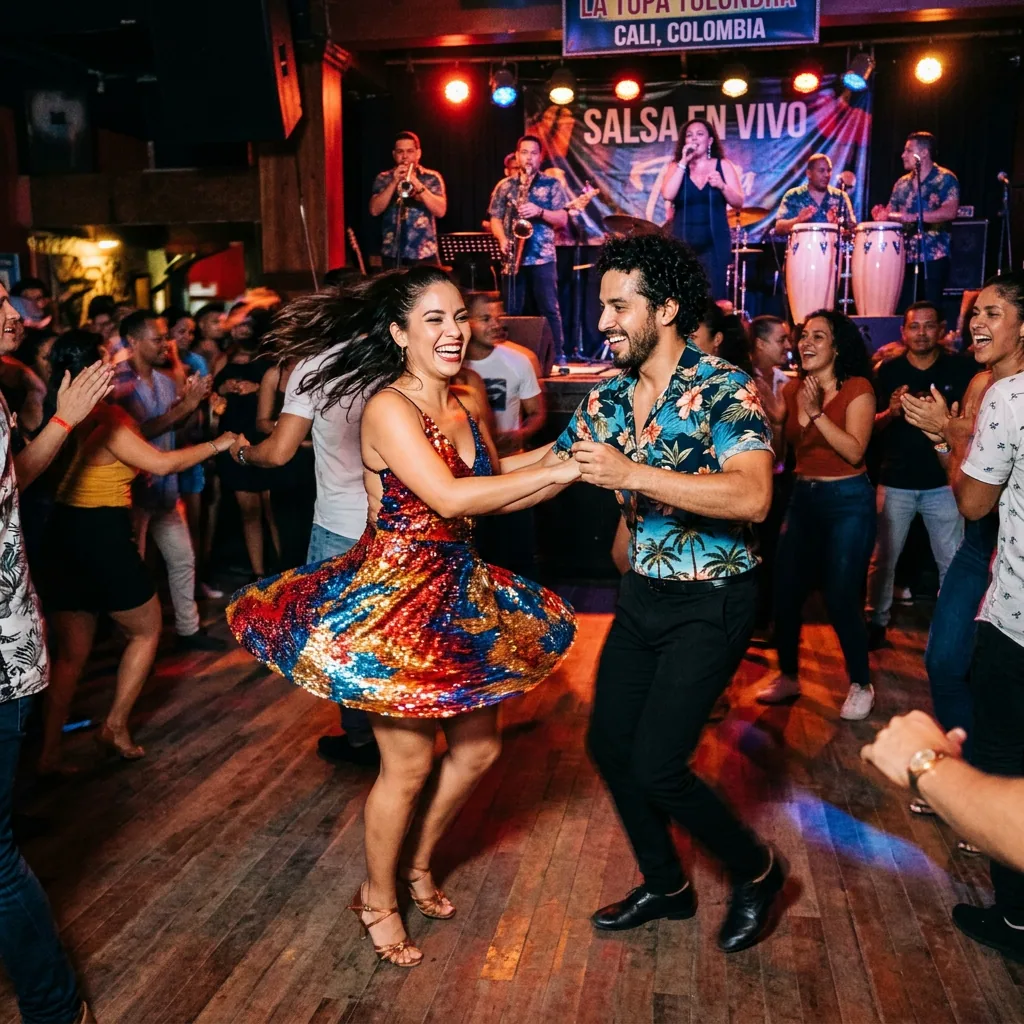
Cali, the vibrant heart of the Colombian Pacific Coast, is more than just a city; it is a pulsating symphony of rhythm, color, and unrestrained joy. For aficionados of Latin dance, it is a pilgrimage site, the unchallenged capital of salsa. If you have ever felt the magnetic pull of a complex, infectious beat, if you have dreamt of stepping onto a dance floor where history and rhythm converge, then Cali is your destination. This city does not merely host salsa; it breathes it, lives it, and sells it back to you in every dazzling, intricate step.
The Historical Deep Roots of Colombian Salsa
To understand the sheer magnitude of Cali’s relationship with salsa, one must look beyond the modern dance floors and trace the cultural threads that wove together in this unique metropolitan tapestry. Salsa, as we know it, is not a singular invention but a powerful, delicious fusion—a mestizaje—of influences. It absorbs the fiery spirit of Cuban Son, the tropical flair of Puerto Rican Bomba, the intricate rhythms of African heritage, and the deep, earthy cadence of Colombian cumbia and bullerengue.
While the global definition of salsa often narrows the focus, in Cali, the rhythm is a living, breathing historical chronicle. The dance style evolved in the 20th century, becoming the definitive soundscape for the people of the Valle del Cauca. It was a dance of community, of storytelling, and of escape. In the early decades, the music and the associated dance forms were intrinsically tied to local street life, barrio celebrations, and the communal gathering spaces. This deep connection to the people, the gente, imbued the style with a raw authenticity that no commercialized performance could ever replicate.
The salsa that radiates from Cali is characterized by a profound commitment to musicality. It requires the dancer, the musician, and the listener to operate as a single, cohesive organism. It is a social ritual, a non-verbal conversation conducted through the connection of bodies and the syncopated beat of the brass section. Learning to salsa here is not merely learning steps; it is learning the cultural etiquette, the unspoken language of the ballroom, and the joy of shared physical expression.
Navigating the Symphony: Where and How to Experience the Rhythm
The salsa scene in Cali is vast, multilayered, and rewards the curious explorer. From high-end establishments that offer polished, theatrical performances to sweaty, packed local peñas (small neighborhood clubs) where generations of salseros gather, there is a venue for every pace and every budget. The key to maximizing your experience is to move beyond the tourist bubble and delve into the local heartbeat of the neighborhoods.
For the beginner, the experience should begin with structure. Many reputable schools and academies offer intensive workshops that provide a solid foundation in basic steps and, crucially, in the concept of social dancing—how to lead, how to follow, and how to connect respectfully. However, even if you take lessons, do not let them diminish your readiness to stumble and fall onto the dance floor. The spirit of Cali is joyful, forgiving, and utterly enthusiastic.
As you become more comfortable, venture out in the evenings to areas known for their robust nightlife and strong community ties. These spots maintain a palpable energy that transcends the mere consumption of liquor; they are centers of cultural communion. The late-night energy is relentless, fueled by the steady, driving percussion of the congas and the piercing, celebratory brass of the trumpets. This is where the true magic happens—the kind of spontaneous, breathtaking dance that seems to emerge from the collective soul of the crowd.
The Art of the Salsero: More Than Just a Dancer
To be a salsero (salsa dancer) in Cali is to carry a mantle of cultural pride. It is an identity that embraces movement, resilience, and community spirit. The culture is highly dedicated to the preservation of authentic rhythms. Notice the focus on specific regional styles; the way the footwork (the zapateo) echoes the rhythm, the precise timing of the pauses, and the fluidity of the torso movement. These details are the vocabulary of the dance.
- The Importance of Connection: Salsa is inherently partner work, making communication vital. The movements are never about individual flair; they are about mutual awareness, leading, and responding.
- The Role of Music: Listen closely. The salsa ensemble is usually complex, featuring not just piano and brass, but prominent percussion (congas, timbales, bongos) that drives the tempo and emotional arc of the piece.
- The Social Rhythm: Always maintain the element of conversación. Treat the dance floor not as a performance stage, but as a living, breathing social space where strangers connect for a fleeting, brilliant moment.
The warmth of the Colombian people, mixed with the irresistible force of the rhythm, creates a uniquely welcoming atmosphere. Don't be afraid to ask for advice, to take a lesson right after a night of revelry, or to simply stand back and watch the sheer, magnificent spectacle of human joy in motion. When the drums start to pound and the air fills with the humid scent of tropical night and spilled rum, you will understand why Cali is irrevocably, gloriously, the salsa capital of the world. It is a rhythm that captures the soul and refuses to let you leave until your feet ache and your spirit sings along.
Practical Tips
- Start with a class: A private or small-group lesson explains Cali timing, floor etiquette, and partner communication before a crowded social night.
- Check the program: A venue may offer a stage show, social dancing, live music, or a mixture. Confirm the format and cover charge before traveling across the city.
- Plan the return: Arrange licensed transport through your accommodation, venue, or a reputable app, and confirm the plate before entering.
- Dress for movement: Choose breathable clothing and secure, smooth-soled shoes; high heels are optional, not a requirement for participating.
- Respect consent: Ask before dancing or filming, accept a refusal graciously, and give other couples enough space on a busy floor.
🕵️ Insider Secrets
- Listen before stepping out: Identifying the percussion and count from the edge of the floor makes the first dance much easier.
- Try an afternoon practice: Schools and cultural spaces can provide a calmer introduction than learning for the first time after midnight.
- Follow the collectors: Record shops, listening bars, and salsa museums reveal the city's musical history even when you do not plan to dance.
eSIM for Colombia
Avoid high roaming fees. Get instant 4G/LTE data with Airalo as soon as you land in Bogotá or Medellín.
- Instant Activation
- No Physical SIM Card
- Local & Regional Plans